






You are probably all familiar with the plants Cannabis sativa and Cannabis indica, or rather hemp and Indian hemp. And you probably also know that hemp contains up to a hundred compounds called cannabinoids.
A brief history of hemp
Hemp is a genus of annual thermophilic herbs. It is perhaps the oldest plant that humans began to use for their needs, as early as the Neolithic period. Cannabis originates from Central Asia, from where it spread throughout the world. The Chinese used hemp eight thousand years ago, mainly for food and textile production. Five thousand years ago, they began to use it in traditional Chinese medicine. In the Middle Ages, hemp was used to make ship sails and ropes.
Over time, hemp was found to be highly addictive, and so in 1961 the UN issued a ban on its cultivation. Despite this, new varieties with reduced THC content were bred.
Hemp and the present day
In the last two decades, hemp has once again come to the forefront of interest and is highly valued for its versatility, ecological properties, and even its potential in the field of sustainable development. It is used in both industry and medicine. Each European country has its own laws governing the handling of hemp. In the Czech Republic, cannabis cultivation was resumed in 1996 and there is great interest in it. However, the law on addictive substances specifies exactly which varieties of Cannabis can be grown.
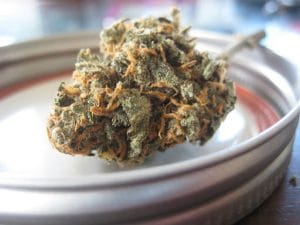
Some cultivars containing THC, CBD, CBC, and CBG cannabinoids are grown for medicinal and recreational purposes. The dried leaves and female inflorescences are known as marijuana, while the concentrated resin is called hashish. Cannabis has come a long way. From an ancient plant with versatile uses, through bans on cultivation, to legalization and medicinal use.
In the case of Cannabis sativa, the two most talked about cannabinoids are CBD and THC, or HHC. This is because cannabis contains the highest amounts of these, with other cannabinoids present in the plant only in trace amounts. We will only briefly discuss THC and HHC this time, as we will focus more thoroughly on CBD. You will soon see why.
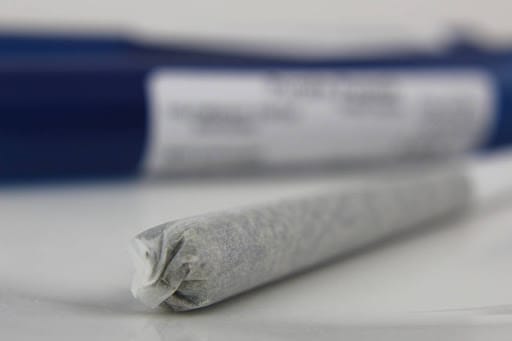
THC (tetrahydrocannabinol)
This is the main psychoactive or psychotropic component found in cannabis. However, THC also has some medicinal properties. It can relieve chronic pain, reduce nausea, and stimulate appetite in patients undergoing chemotherapy. Thanks to its neuroprotective properties, THC can also be beneficial in the treatment of various neurodegenerative diseases.
HHC (hexahydrocannabinol) is a derivative of THC, which is the main active ingredient in marijuana. After ingestion, it can cause changes in visual and auditory perception. These substances induce feelings of euphoria and have a stimulating effect. However, they can cause serious health problems in sensitive or sick individuals, such as memory loss, unconsciousness, and even suffocation.
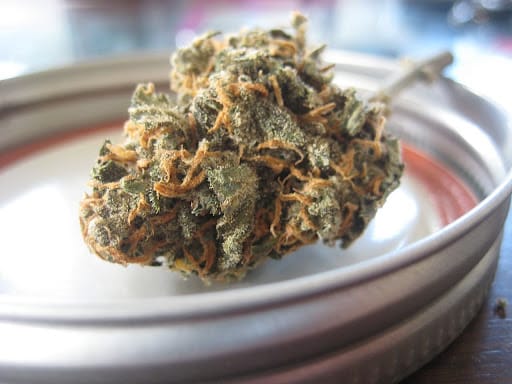
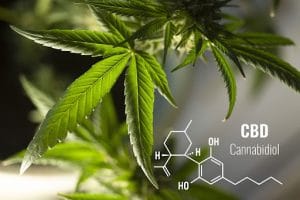
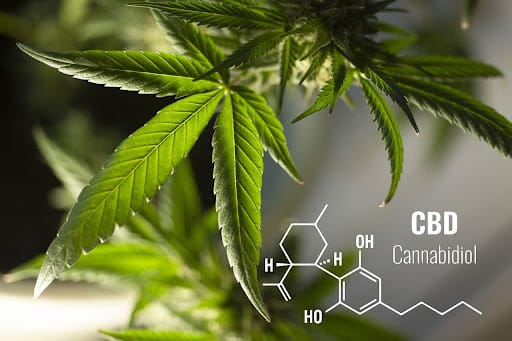
CBD, or cannabidiol
CBD is extracted from cannabis strains with low THC content. Cannabidiol is legally available in many countries, including the European Union, but the THC content in the dry plant must be less than 0.2%. Unlike the previously mentioned substance, CBD is not psychoactive, which means that it works without altering the state of consciousness, as it does not stimulate the CB1 and CB2 cannabinoid receptors in the body. It is therefore not associated with addiction or abuse. This is a very important property for its use in relieving adverse health conditions. Note: CB1 and CB2 receptors are part of the human endocannabinoid system and regulate many processes in the body, such as sleep, mood, and appetite.
In recent years, phytocannabidiol has come to the forefront of interest due to its potential therapeutic effects. CBD can be used for a number of health conditions such as epilepsy, migraines, depression, and anxiety, and it can also improve sleep quality. As a supportive treatment, CBD can be used for cancer, Crohn’s disease, Alzheimer’s, and Parkinson’s disease.
Cannabidiol can also interact with serotonin and opioid receptors, stimulating a process that can lower cholesterol and blood sugar levels. Similarly, CBD can affect the gamma activity of receptors activated by peroxisome proliferator. This leads to the intracellular release of calcium, which is responsible for processes such as hormone secretion, cell growth, and muscle contraction.
Research shows that CBD can have analgesic and neuroprotective effects, making it a substance that can be used in medicine. It is already apparent that topical application of CBD has therapeutic potential for arthritis relief, reducing pain and inflammation without apparent side effects. Although cannabidiol is still being researched, it is already available for purchase in various forms, such as capsules, creams, and oils, and CBD-infused foods and beverages are also appearing on the market.
However, beware – some sources, and even scientific studies, almost contradict each other in their opinions on the auxiliary therapeutic effects of cannabidiol. Some even talk about wasting money and undesirable effects. But what medication doesn’t have them? On the other hand, some sources say that CBD could be effective as both a prevention and treatment for Covid-19 and its possible complications. To be on the safe side, however, you need to proceed with caution when using CBD. Start with low doses, and after a while, it is advisable to have a preventive check-up with your doctor. If everything is normal, there is no reason why you should not increase your CBD dosage. Scientific research on this substance is still in its infancy, so it would be good to follow its ongoing results. The effects of CBD can vary from person to person.
Industrial hemp
This is a variety of Cannabis sativa with a low THC content (up to 0.2%), which is used in many industries. The plant consists of fiber and woody material called shives. Hemp fibers are valued for their durability and strength, especially in the textile industry. The shives are pressed into briquettes, which are used as an ecological fuel and also serve as a thermal insulation material.
In construction, industrial hemp has found application in the production of bioplastic composites and hemp concrete, which has excellent insulating properties and is sustainable in the long term. In cosmetics, hemp is used in the production of creams, ointments, and soaps. Its contribution to the food industry is also significant – the seeds are used to produce gluten-free flour and hemp oil. Both products are a source of fatty acids and high-quality protein.
Experts consider industrial hemp to be one of the most important plants for the future. It has high potential for versatile use and ecological properties. The use of CBD is developing by leaps and bounds and, among other things, is becoming part of the wellness industry.
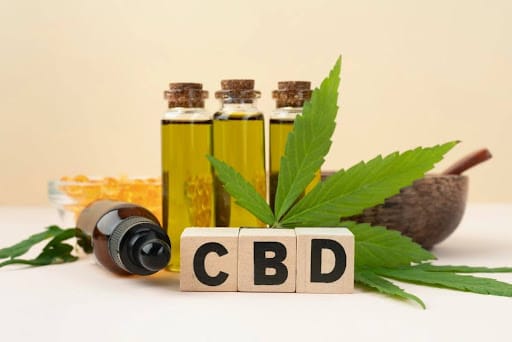
Wellness hemp treatments
Cannabidiol, or CBD, is extracted from industrial hemp and offers a range of health benefits. For example, in wellness and spa treatments, where it has become a significant trend of our time. CBD products are legal in the Czech Republic, but they must contain less than 1% THC. This ensures that the products do not cause any kind of intoxication in the body. CBD products used in spas and wellness centers undergo rigorous laboratory testing to meet high quality and safety standards certified by the European Union.
Those interested in these products can find them in specialized stores throughout the country. For example, hemp ointment with calendula can improve the condition of the skin of the whole body – it deeply nourishes, regenerates, and also protects it from external influences. The use of CBD in wellness and spas testifies to the population’s greater interest in alternative, and above all, natural approaches to their health.

You can enjoy hemp treatments at many wellness centers throughout the country, as well as at a number of our therapeutic spas. And what treatments can they offer you? Mostly CBD back and limb massages, CBD heat applications, CBD baths, CBD lymphatic massages, CBD face and head massages, and CBD rituals, which include body peeling, a bath with hemp oil + CBD tea, a wrap, and the application of hemp oil to the face.
In the Czech Republic, spa treatments based on hemp, often referred to as „green gold,“ have become an amazing novelty in the field of wellness. They utilize the anti-inflammatory, healing, antibacterial, and antiviral effects of CBD. As already mentioned, hemp spa treatments include baths and body and facial massages that enhance the effects of CBD:
- Hemp baths – these are relaxing aromatic baths with herbal bags filled with dried hemp leaves and flowers, as well as lavender and other aromatic herbs; they provide a non-psychoactive experience thanks to the use of industrial hemp, which does not contain THC.
- Hemp massages using 100% natural hemp oil also provide the body with essential fatty acids, vitamins, and minerals that help relax muscles and relieve tension.
- Deep hand and foot massages are focused on more intense relaxation of small joints, muscles, and tendons.
This improves metabolism and blood circulation in the limbs.
- A comprehensive hemp ritual combines a bath with a partial hemp massage or a deep massage of the hands and feet. These massages use organic hemp ointment, which provides quick relief from muscle fatigue and stiffness.
This innovative use of hemp in spa treatments reflects the growing trend of incorporating natural remedies into modern wellness practices.