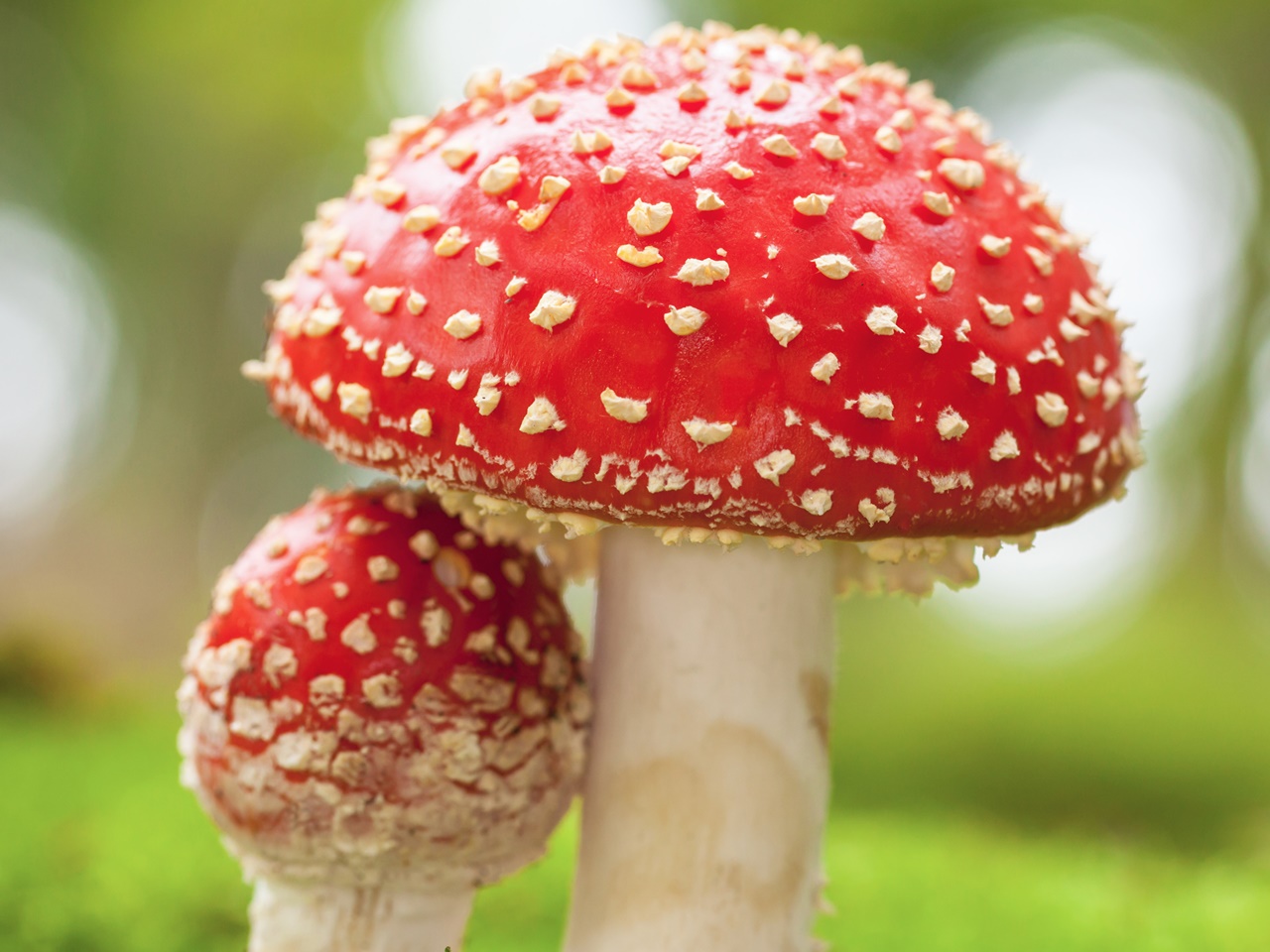





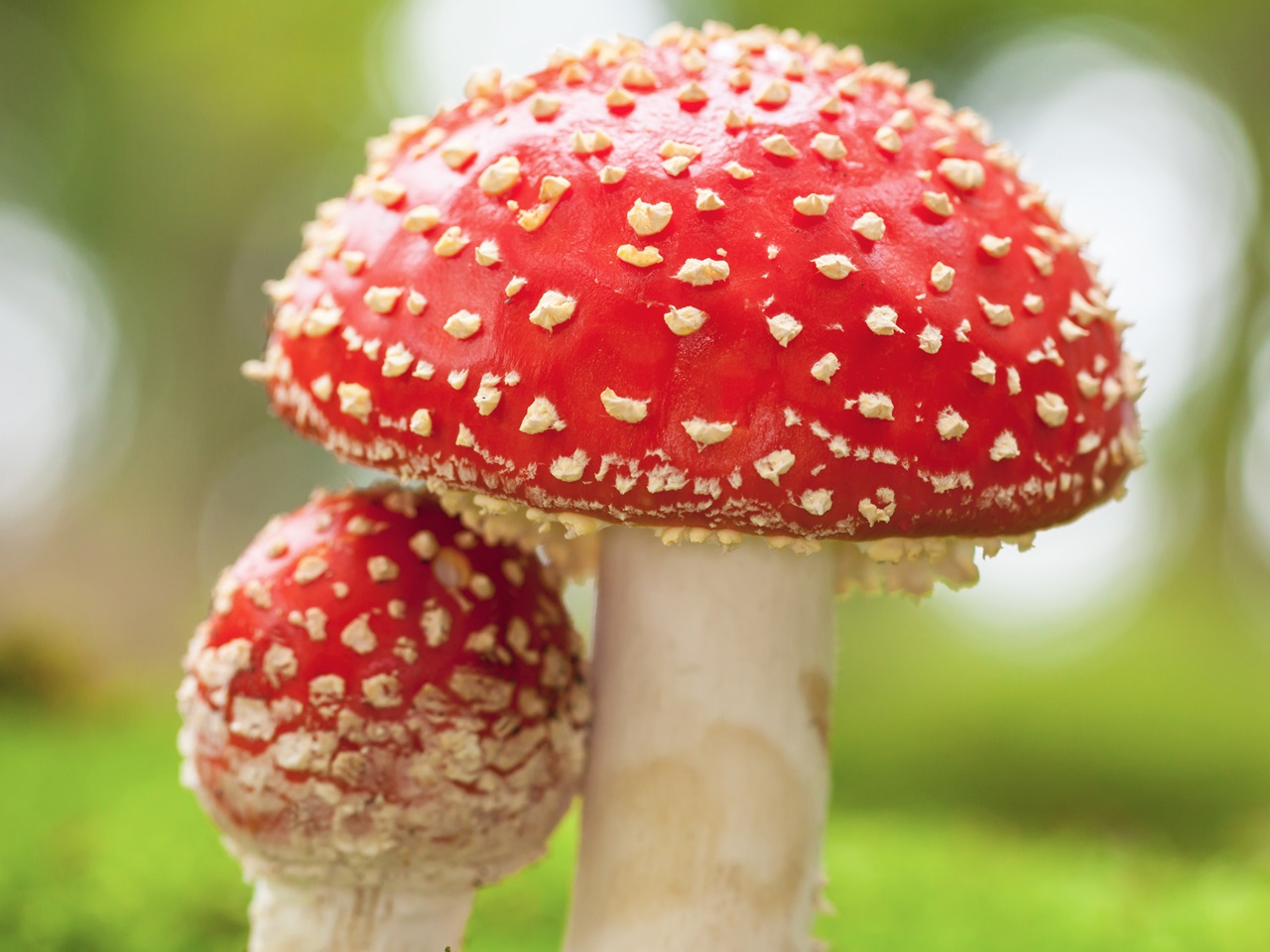
The fly agaric is one of the most famous mushrooms growing in European forests. Its bright red cap with white spots is a symbol of fairy tales, folk art, and winter holidays. However, behind its external beauty lies a complex history of use in traditional medicine, shamanism, and modern microdosing practices.
Where it grows and what makes it unique
Amanita muscaria – a member of the Amanitaceae family. It likes deep and semi-deep forests with a mixture of coniferous and deciduous trees, especially birches, pines, and firs. The mushroom forms mycorrhiza – a symbiosis with tree roots, in which they exchange nutrients. It fruits mainly in the fall, but in favorable years it can appear earlier.
Despite its popular name, „poisonous mushroom,“ its toxicity is overestimated: cases of fatal poisoning are extremely rare. It all depends on the dose and method of preparation.
Active ingredients and their effects
The fly agaric contains two key biologically active substances:
Muscimol – a psychoactive component that activates GABA<sub>A</sub> receptors. It induces calmness, relaxation, and a change in perception. Moderate doses can help with stress, insomnia, and muscle spasms.
Ibotanic acid – the primary form, less active, toxic. During drying, it is partially converted to muscimol. Consuming raw mushrooms or exceeding the dose can cause nausea, dizziness, hallucinations, and convulsions. Fatalities are rare but possible with large amounts or in combination with other substances.

Amanita Pantherina, powder
⚗️Powder
🏺 Traditional context
📚 Scientific meaning
Rozpětí cen: 14 € až 30 €
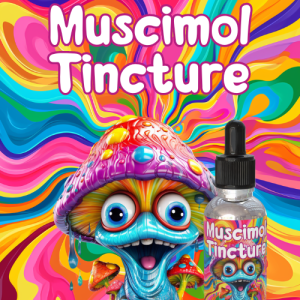
Muscimol Tincture 150mg
🍄 Made from Amanita muscaria mushrooms
🥥 With MCT oil
🍋 Refreshing lime scent
49 €
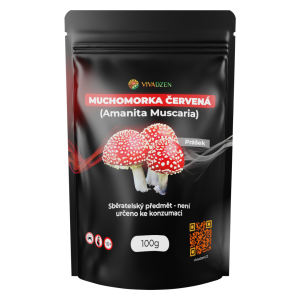
Amanita Muscaria (Fly agaric), powder
🌲Natural origin
🍄100% dried fly agaric
🌿Finely ground
Rozpětí cen: 14 € až 27 €
Lion’s Mane Mushroom (grinded)
🧘♂️Calming
🌿Finely ground
🧠Memory support
Rozpětí cen: 7 € až 14 €
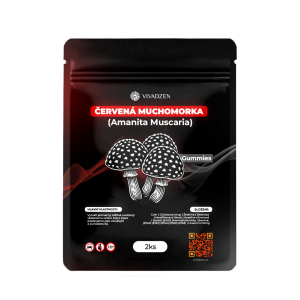
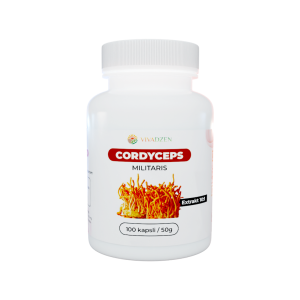
Cordyceps Militaris in capsules
🛡️ Immunity support
⚡ Energy booster
🌿 100% natural capsules
Rozpětí cen: 12 € až 20 €
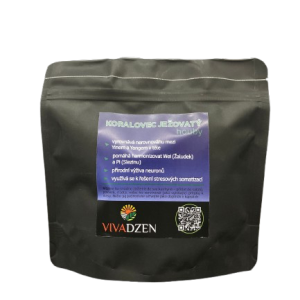
Lion’s Mane whole mushroom
🧘♂️ Calming
🌿 Digestive support
🧠 Memory support
Rozpětí cen: 6 € až 61 €
Historical use
- In Siberia, shamans used fly agaric in rituals to induce altered states of consciousness.
- In the Vedic tradition of India and Persia, the mushroom is associated with the drink „soma.“
- In the 19th century, images of fly agaric became popular on Christmas cards in Europe—a symbol of prosperity and good fortune.
- In works of art (such as „Alice in Wonderland“), the mushroom suggests a change in perception and psyche.
Current perspective: therapeutic potential
Today, muscimol is being actively studied as a component for combating anxiety, restlessness, insomnia, and neurological problems. Data from previous studies suggest a possible analgesic and anti-inflammatory effect of muscimol-based preparations. Microdosing enthusiasts use fly agaric in small doses as a tool to maintain emotional balance, concentration, and restore mental resources. However, clinical trials are still in the early stages.