





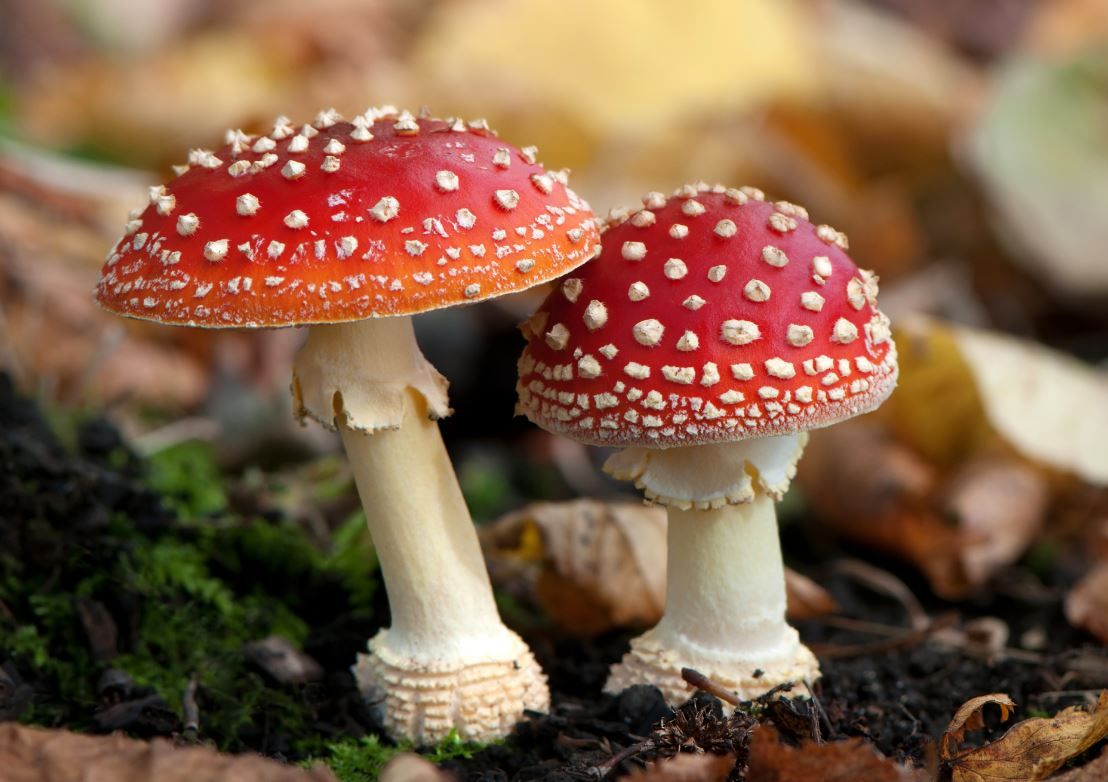
Over the last decade, the concept of microdosing has become widespread and popular. Currently, it can be described as a phenomenon straddling the boundary between science and popular culture, which will undoubtedly be studied in detail in the coming years. However, even the current state of knowledge is so interesting that it is worth learning as much as possible about it. This is doubly true in combination with fly agaric mushrooms, one of our most famous mushrooms.
What is microdosing
Microdosing is a term used to describe the regular use of low doses of psychedelics. Typically, this is 10 to 20 percent of the full dose. Today, microdosing is mentioned in connection with substances contained in various mushrooms. The beginnings of microdosing research are associated with the name of Albert Hofmann, a Swiss chemist who was the first to synthesize LSD and made no secret of the fact that he himself had been using this substance in low doses for several decades.
He then linked this use to a number of positive effects such as a „clearer mind“ and good health. The fact that he lived to the age of 102 and remained energetic until the end of his life could attest to this. Of course, a single case cannot be considered proof. However, what is important is that today’s microdosing enthusiasts believe that the aforementioned positive effects will also apply to them.
To understand microdosing, it is essential to know that when using psychedelics, it is necessary to strictly adhere to low dosages. Otherwise, the results may be exactly the opposite of what the user expects.
Psychoactivity of toadstools
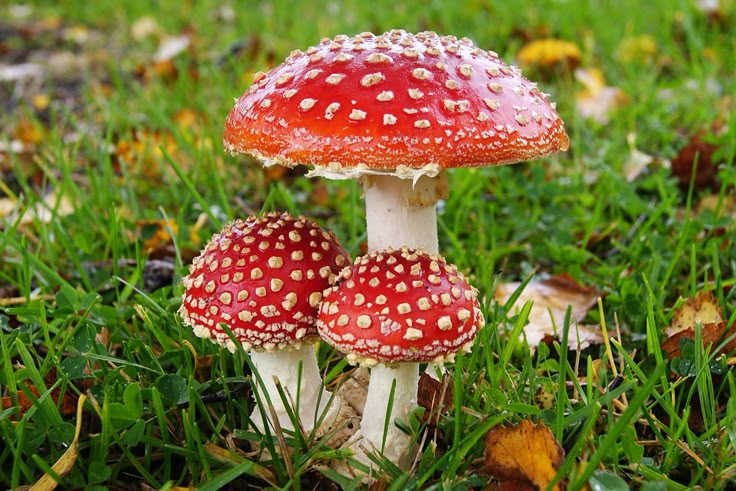
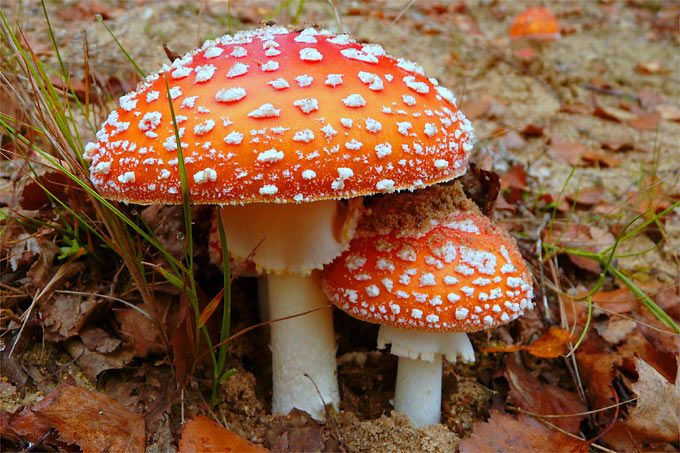
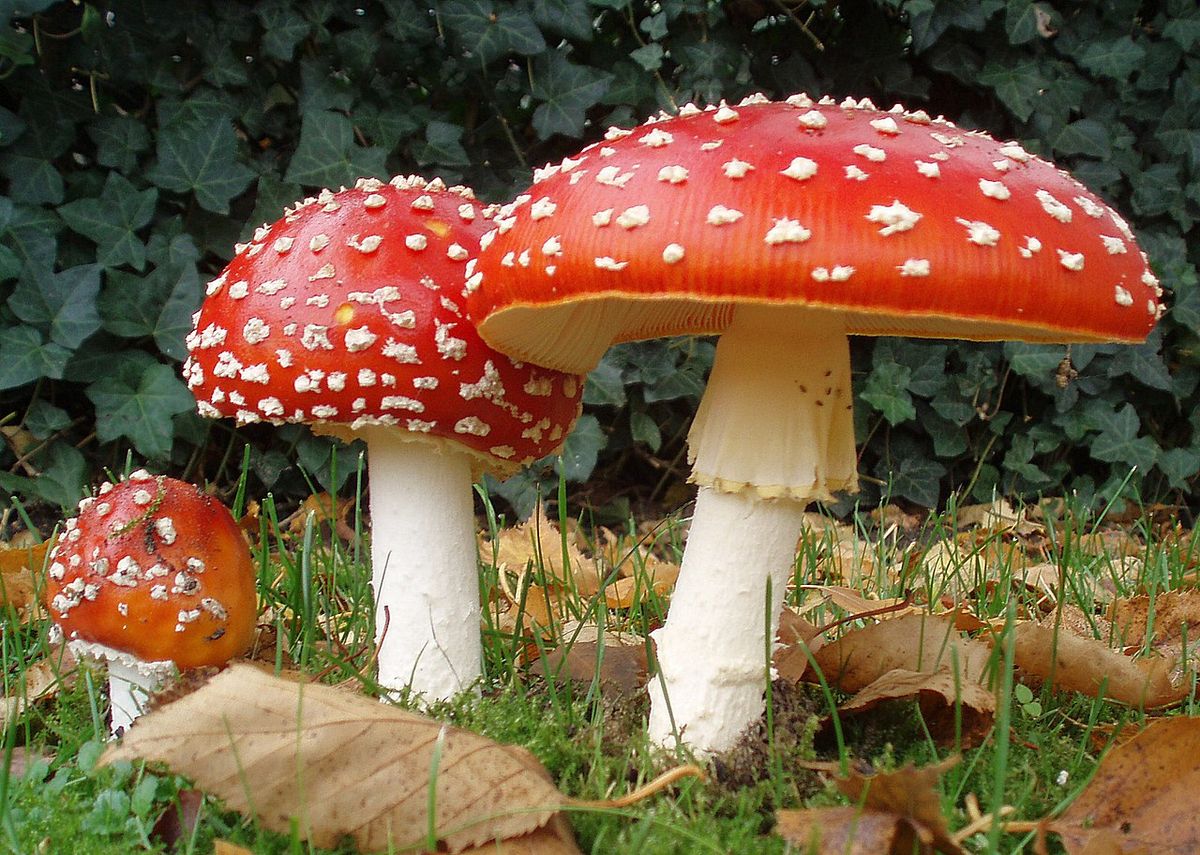
Toadstools, especially the fly agaric, are iconic mushrooms that literally every small child in our country recognizes. At the same time, these mushrooms are found not only in Europe, but also in many other parts of the world, from southern Africa to the Americas to Central Asia and Siberia. It is therefore no surprise that the fly agaric was quite possibly the first source of psychotropic substances known to mankind. Amanita mushrooms were often used in various shamanic rituals and religious ceremonies.
Modern science defines muscimol, which has hallucinogenic effects, as the main psychoactive substance contained in Amanita mushrooms. Other important substances from this point of view are muscarine and ibotenic acid, which is converted into muscimol in the body. Amanita mushrooms do not contain psilocybin, and are therefore sometimes not classified as traditional psychedelics. From a microdosing perspective, however, this difference is not so significant.
When a full dose is ingested, for example in the form of dried mushrooms, a person may experience visual and auditory hallucinations, inanimate objects may appear to be alive, thinking becomes sharper, suppressed emotions are more easily vented, etc. Of course, there is also a risk of negative effects from consuming toadstools, such as vomiting, loss of balance, temporary paralysis of the limbs, and in the worst cases, death.
The specific effects always depend on the dose, the season in which the mushrooms were collected, the body weight, and the overall condition of the person who consumed the mushrooms. It is also true that dried mushrooms are „stronger.“ Microdosing is a completely different method of administration, which should eliminate potential negative effects and bring about a number of positive ones.
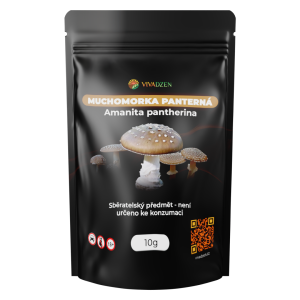
Amanita Pantherina, powder
⚗️Powder
🏺 Traditional context
📚 Scientific meaning
Rozpětí cen: 14 € až 30 €
Muscimol Tincture 150mg
🍄 Made from Amanita muscaria mushrooms
🥥 With MCT oil
🍋 Refreshing lime scent
49 €
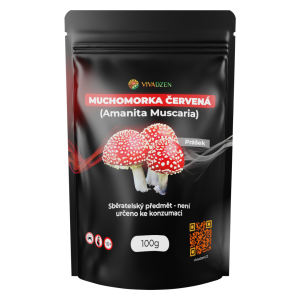
Amanita Muscaria (Fly agaric), powder
🌲Natural origin
🍄100% dried fly agaric
🌿Finely ground
Rozpětí cen: 14 € až 27 €
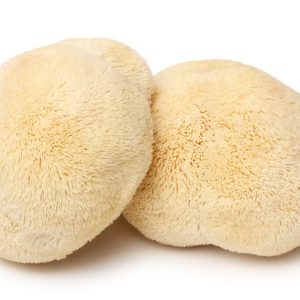
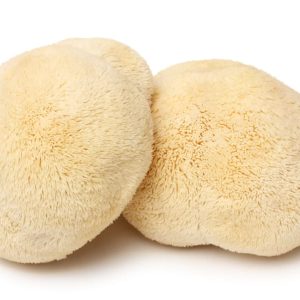
Lion’s Mane Mushroom (grinded)
🧘♂️Calming
🌿Finely ground
🧠Memory support
Rozpětí cen: 7 € až 14 €
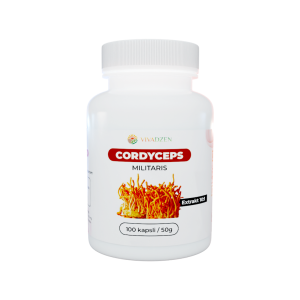
Cordyceps Militaris in capsules
🛡️ Immunity support
⚡ Energy booster
🌿 100% natural capsules
Rozpětí cen: 12 € až 20 €
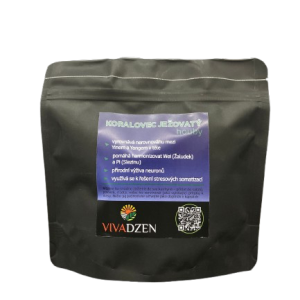
Lion’s Mane whole mushroom
🧘♂️ Calming
🌿 Digestive support
🧠 Memory support
Rozpětí cen: 6 € až 61 €
Microdosing with magic mushrooms
The fly agaric and the tiger fly agaric are most commonly used for microdosing. Once again, it is important to emphasize that regular use in very low doses is essential. Users report a noticeable reduction in anxiety and stress, improved concentration, calmer and better quality sleep, and, last but not least, a reduced craving for alcohol or cigarettes.
For these reasons, microdosing with fly agaric mushrooms is most often practiced by people who are interested in personal development, increasing work efficiency, and overall better quality of life. It should be noted that although the dosage is generally described as „low doses,“ the specific values are not known. If roughly two grams of dried magic mushrooms cause poisoning or at least mild sedation in most people, it can be estimated that a suitable starting dose would be one-tenth of this amount. However, dosing is undoubtedly an individual matter, and each user will have to find their own.
What science says
At the beginning, it was mentioned that microdosing mushrooms is still on the fringes of scientific research. However, this is changing rapidly as microdosing becomes more widespread in society. Clinical studies investigating the effects of microdosing mushrooms on the human body are now available. Most of them agree that users do indeed report improved perception, better concentration, and positive effects on sleep and work performance.
On the other hand, it has not been conclusively confirmed that this is not largely a placebo effect, which is the conclusion reached by some studies. The consequences of long-term use of low doses on health are also a big unknown. Therefore, much more scientific interest will be needed to fully understand microdosing mushrooms and their effects.
Sources of information:
Štěpánová, M. „Microdosing psychedelics and their impact on quality of life from the users‘ perspective: selected case studies,“ available online at: https://dspace.cuni.cz/bitstream/handle/20.500.11956/197329/130411737.pdf?sequence=1&isAllowed=y
Scientists wanted to find out whether microdosing was just a placebo. However, the participants in the study were a little mischievous:
Poisonous toadstools:
https://www.mostknadeji.eu/liberecky-kraj/clanek/prirodni-drogy-muchomurky/