Kratom je příbuzný kávovníku, který roste v jihovýchodní Asii. Tuto rostlinu pojmenoval svým vědeckým názvem Mitragyna speciosa nizozemský botanik Pieter Korthals. Korthals si všiml podobnosti struktury listů a stonků květu s biskupskou mitrou, což posloužilo jako základ pro výběr jména. Od té doby se Korthals zabýval podrobným výzkumem a dokumentací vlastností tohoto listu.
Kratom je znám pod mnoha jmény: Krathom, Kakaum, Ithang, Kratum, Thom (v Thajsku), Biak-Biak a Ketum (v Malajsii), Mambog (na Filipínách). Navzdory rozdílům v názvech zůstává chemické složení rostliny stabilní.
Strom kratomu je velmi specifická rostlina. Jeho přirozené prostředí je tropické klima s vysokou vlhkostí a teplotou. Obvykle roste v divočině, v džungli, kde hojné zásoby vody a úrodná půda mu umožňují dosáhnout výšky až 30-35 metrů. Pokud tyto podmínky nejsou splněny, strom kratomu je stále schopen růst, ale nedosahuje svého plného potenciálu a zůstává trpasličí.
HISTORICKÉ INFORMACE O KRATOMU
Po staletí byl kratom neoddělitelnou součástí života místních obyvatel. Ačkoli oficiální záznamy o jeho použití se objevily až v 80. letech 19. století díky práci Pietera Korthalse, je zřejmé, že rostlina byla používána po mnoho století před tím.
Předpokládá se, že obyvatelé jihovýchodní Asie sbírali listy kratomu a žvýkali je nebo z nich vařili čaj. Je pravděpodobné, že listy používali k boji proti únavě a zvýšení pracovní výkonnosti. Korthalsovy dokumenty svědčí o hlubokých znalostech místních obyvatel o sběru a zpracování listů, což naznačuje, že to byl zvyk předávaný z generace na generaci.
Od doby Korthalsova objevu a až do dneška se kratom stává stále více známým a populárním, zejména v západní kultuře. Lidé se stále více učí řídit své zdraví s pomocí přírodních zdrojů.
O LISTECH KRATOMU
Od roku 1921 vědci s velkým zájmem studují listy kratomu. Listy obsahují alkaloidy – chemické sloučeniny, které tvoří většinu léčivých vlastností rostliny. List kratomu dosahuje zralosti v podmínkách tropického prostředí. Má oválný nebo oválně kopinatý tvar, tmavě zelenou barvu a může dosáhnout délky až 180 milimetrů a šířky až 100 milimetrů.
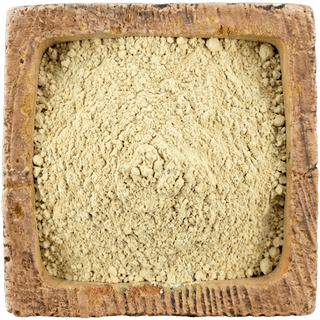
Považuje se, že místní obyvatelé jihovýchodní Asie věděli, kdy sbírat listy, aby získali maximální přínos. Obvykle se tímto zabývali na konci léta nebo na začátku podzimu. Po sběru začíná proces zpracování, který nakonec určuje barvu listů, kterou preferují spotřebitelé. Považuje se, že 75% – 85% všech listů kratomu mají v době sběru červené barvě žilnatiny a proces sušení umožňuje vytvořit různé varianty listového prášku pro uspokojení chutí různých spotřebitelů.
CHEMIE KRATOMU
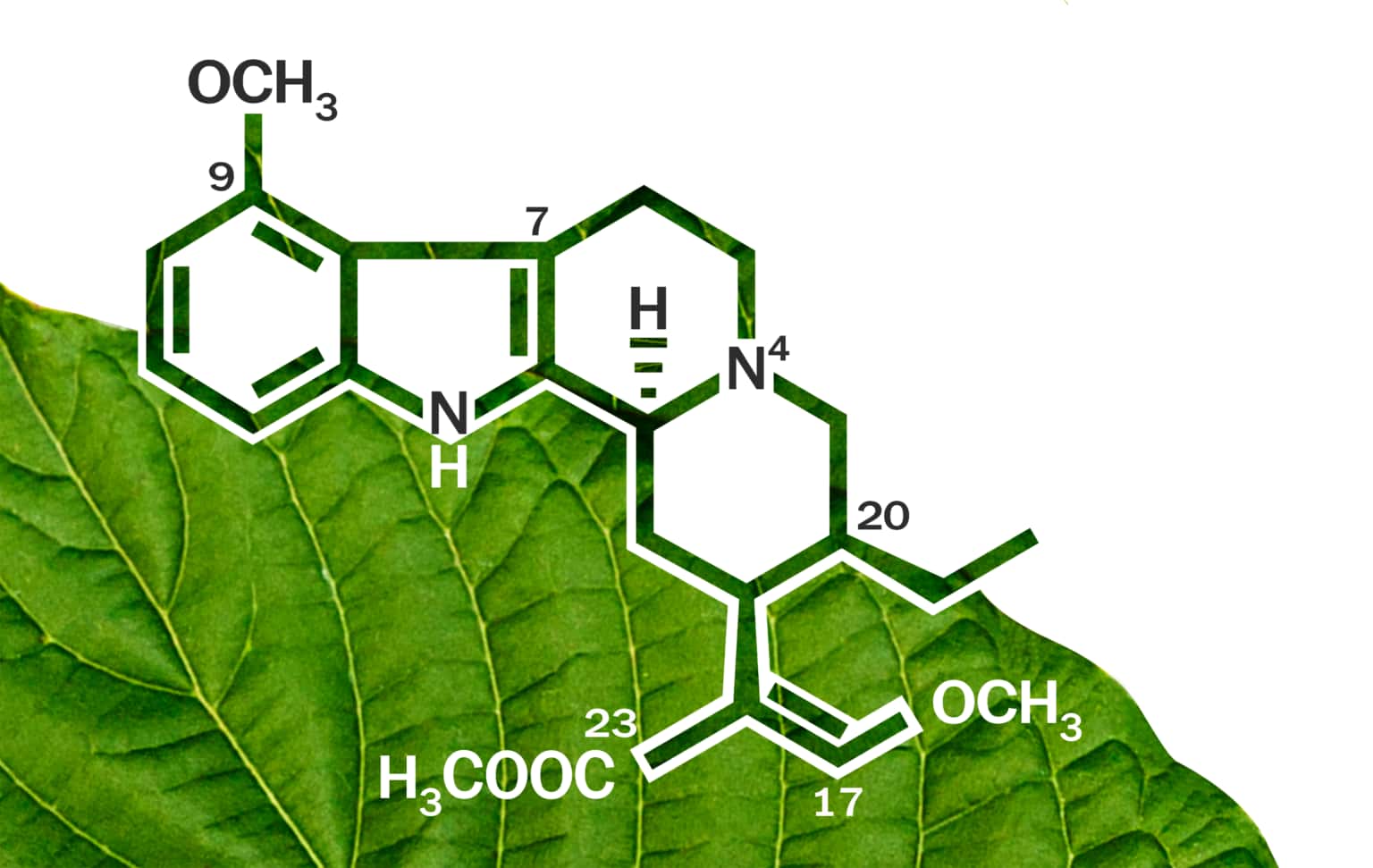
Od začátku 20. století je kratom známý svým obsahem alkaloidů. Vědci zjistili, že dva alkaloidy převažují v jeho chemické struktuře. Jedná se o mitragynin a 7-hydroxymitragynin.
Po dalším studiu vědci dospěli k závěru, že mitragynin je nejběžnějším alkaloidem v těchto starobylých listech. V roce 1921 se mitragynin stal prvním alkaloidem, který byl izolován, ale vědci ho dokázali plně dekódovat až v roce 1964. Výzkumy prováděné během těchto let vytvořily pevný základ pro to, aby další lékaři a botanici v roce 1993 objevili jinou sloučeninu nazvanou 7-hydroxymitragynin.
7-hydroxymitragynin, ačkoli není v listu tak běžný jako mitragynin, se ukázal jako nejsilnější sloučenina v listu. Jeho obsah je však velmi nízký. Další výzkum ukázal, že tyto dva alkaloidy nejsou jedinými sloučeninami, které převažují v chemii kratomu.
MITRAGYNA SPECIOSA
Mitragyna pochází z rodu rostlin, který zahrnuje rostliny jako je gardénie, svízel a kávovník, které jsou také dobře známy v západní civilizaci.
Mitragyna patří do rodu rostlin, který také zahrnuje Mitragyna Diversifolia, Mitragyna Hirsuta, Mitragyna Inermis, Mitragyna Parvifolia a Mitragyna Speciosa. Do seznamu rodu Mitragyna je zařazeno 17 položek, ale jen sedm z nich je oficiálně uznáno, včetně výše uvedených názvů.
Mitragyna, přestože je mezi rostlinami známá, má jedinečné vlastnosti uvnitř svého druhu, protože zástupci tohoto rodu obsahují analgetické alkaloidy. V současné době vědci objevili více než 40 strukturně příbuzných alkaloidů, stejně jako flavonoidy, terpenoidy, saponiny, polyfenoly a různé glykosidy.
Mitragynin byl prvním alkaloidem, který byl nalezen v listech, jak bylo zmíněno v historii kratomu. Mitragynin je také nejhojnějším alkaloidem této rostliny.
SÍLA ROSTLINY
Šamanismus nám dal znalost o léčivých vlastnostech rostliny a o síle, kterou určité žánry mají pro náš druh. Vztah mezi člověkem a rostlinou byl navázán od samého počátku časů. Někteří vědci věří, že lidé a rostliny mají životně důležitý vztah, symbiotický v těchto termínech, v tom smyslu, že kyslík je potřebný jak pro lidi, tak pro rostliny, aby mohly pokračovat v prosperování a přežití. Když dýcháme kyslík, naše tělo ho absorbuje procesem zvaným dýchání. Oxid uhličitý, který vydechujeme, absorbují okolní rostliny, které ho používají k výrobě své vlastní energie. Člověk je spojen s rostlinami od prvního východu slunce a bude zůstat spojen až do posledního západu slunce.
Milovníci Kratomu by měli pokračovat v tom, aby posílili svůj vztah s Kratomem a všemi dalšími potřebnými rostlinami. Dnes se ve světě posouváme směrem k holistickému přístupu. Stále více a více lidí se vrací ke kořenům primitivního člověka a učí se více o celkové síle těchto rostlin, s nimiž již mají zvláštní spojení.
Komunita Kratomu by měla pokračovat v úsilí o vzdělávání a informování ostatních lidí, kteří nemusí jasně pochopit všechny výhody nebo vědecká fakta této rostliny. Světová zdravotnická organizace uvádí, že 75% – 85% světové populace je zcela závislé na rostlinné zdravotní péči pro zajištění lepší kvality života. Avšak různé vlády po celém světě kladou omezení. Korporace a zákonodárci prohrávají, když rostliny ovlivňují životy tak mnoha lidí.
CO OČEKÁVAT
Kratomový prášek je již delší dobu přítomen v našem světě. Pro spotřebitele Kratomu je velmi důležité pokračovat v praxi zodpovědných nákupů, nákupem nekontaminovaného Kratomu. Laboratorní testování provádějí uznávaní prodejci, kteří se starají o blahobyt svých zákazníků, a tato péče by měla pokračovat na každého prodejce, který chce prodávat tyto produkty.
Kratom se prosadil jako velmi důležitý rostlinný zdroj pro indonéskou kolonii a nyní se dostává do celého světa. Dokud botanická komunita nese zodpovědnost za kvalitu Kratomu, který kupují, a pokračuje ve stanovení určitého standardu pro prodejce, rostlina, kterou kupují, bude nekontaminovaná.
Vědci zjistili, že když homo sapiens osídlili tuto zemi před mnoha lety, primitivní člověk původně využíval přirozené blahobytu rostlin. Výzkumy ukázaly, že primitivní člověk prováděl své vlastní „klinické pokusy“ s rostlinami od počátku časů, experimentováním s flórou a faunou, která obklopuje jeho současné obydlí. Můžete si být jisti kvalitou našich produktů. Náš obchod se stará o své zákazníky. Podívejte se na náš katalog Kratomu. Pokud potřebujete konzultaci před nákupem, obraťte se na naše manažery, rádi vám pomůžeme vybrat nejvhodnější volbu z našeho katalogu.