Úvod
Kratom, botanicky známý jako Mitragyna speciosa, je tropický stálezelený strom patřící do rodiny kávovníkovitých. Tato rostlina, pocházející ze jihovýchodní Asie, zejména z Thajska, Indonésie a Malajsie, získala v posledních letech významnou popularitu po celém světě. Kratom je ceněn pro své jedinečné účinky, které se liší v závislosti na odrůdě a dávkování, včetně stimulačních, sedativních a analgetických vlastností.
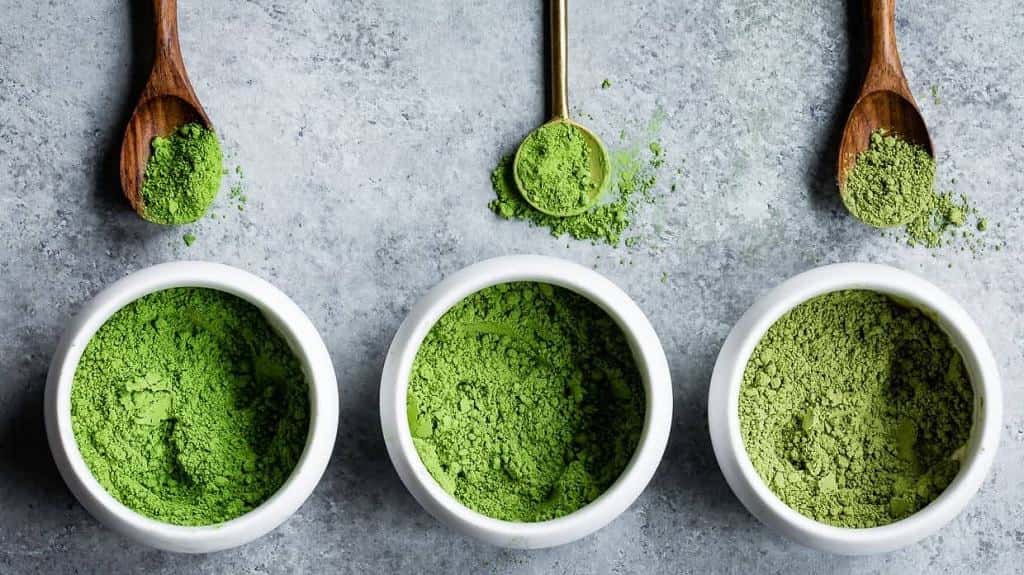
Mezi různými odrůdami kratomu jsou nejznámější a nejširše používané tři hlavní typy: bílý, červený a zelený kratom. Každý z těchto druhů má unikátní charakteristiky a účinky, které jsou částečně určeny jejich původem, podmínkami pěstování a zpracováním listů. Tyto rozdíly mají významný vliv na zážitek uživatele a jeho výběr v závislosti na požadovaném účinku.
V tomto článku podrobně prozkoumáme každou z těchto tří odrůd, prodiskutujeme jejich vlastnosti, rozdíly v účincích a použití. To pomůže čtenářům lépe pochopit, která odrůda kratomu může nejlépe odpovídat jejich individuálním potřebám a preferencím.
Historický přehled kratomu
Kratom, známý vědeckým názvem Mitragyna speciosa, je stálezelený strom rostoucí v tropických lesích jihovýchodní Asie. Jeho historie užívání sahá staletí zpět, zejména ve zemích jako je Thajsko, Indonésie a Malajsie, kde byl používán místními obyvateli pro různé účely.
Tradičně se listy kratomu žvýkaly nebo vařily jako čaj k zlepšení nálady, zvýšení energie a vytrvalosti, zejména mezi pracujícími v zemědělství. Kratom byl také používán pro lékařské účely k zmírnění bolesti, léčbě průjmu a dokonce jako prostředek pro odvykání opia. Tato dlouhá historie lidového užívání zdůrazňuje jeho význam v tradiční kultuře a medicíně jihovýchodní Asie.
S rozvojem globalizace se zájem o kratom rozšířil za hranice jeho původních regionů. V posledních desetiletích jeho popularita vzrostla v Evropě a Severní Americe, kde se stal známým jako přírodní prostředek pro zlepšení nálady, snížení úzkosti a jako alternativa tradičním analgetikům. Nicméně, to také vyvolalo diskuse o jeho bezpečnosti, právním statusu a potenciálním využití v medicíně.
S ohledem na jeho historické užívání a současnou popularitu, kratom zůstává předmětem vědeckého výzkumu. Vědci se snaží lépe porozumět jeho farmakologickým vlastnostem a potenciálním přínosům, stejně jako rizikům spojeným s jeho užíváním. Tento výzkum je důležitý pro formování vědecky podloženého přístupu k používání a regulaci kratomu v budoucnosti.
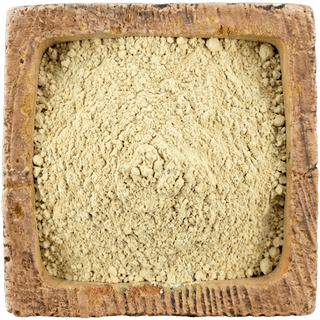
Bílý kratom
Bílý kratom, který získal své jméno díky barvě stonků a žilek na listech, je jedním z nejpopulárnějších odrůd kratomu. Tento druh se nejčastěji pěstuje v Indonésii, ale vyskytuje se také v dalších oblastech jihovýchodní Asie.
Popis a charakteristiky
Bílý kratom se vyznačuje světlými žilkami na listech, které se stávají více patrnými před sklizní úrody. Listy se sklízejí v rané fázi růstu, což zajišťuje jejich unikátní chemické vlastnosti. Po sklizni se listy obvykle suší v uzavřených prostorách bez světla, aby se zachovala jejich světlá barva a maximalizovala koncentrace aktivních látek.
Účinky a použití
Bílý kratom je známý pro své stimulační a energetizující vlastnosti. Uživatelé často hlásí zvýšení koncentrace, zlepšení nálady a příliv energie po užití tohoto druhu. Také může pomoci snížit pocit únavy a apatie, což jej činí populární volbou mezi těmi, kteří hledají mentální a fyzickou stimulaci.
Běžné použití
Bílý kratom se často používá ráno nebo během dne pro podporu energie a koncentrace. To jej činí populární volbou mezi studenty, profesionály a dalšími, kteří potřebují podporu během náročného dne. Kromě toho někteří uživatelé jej používají k zlepšení sociální interakce, protože může zvyšovat společenskost a zlepšovat náladu.
Uživatelské recenze
Recenze uživatelů často zdůrazňují energetizující a stimulační účinek bílého kratomu. Mnozí uvádějí, že jim pomáhá zůstat během dne čilými a soustředěnými bez náhlých změn nálady nebo únavy, které někdy nastávají po konzumaci kofeinu.
Celkově je bílý kratom ceněný pro jeho jedinečné stimulační vlastnosti, což jej činí vynikající volbou pro ty, kteří hledají přírodní způsob, jak zvýšit energii a zlepšit náladu. Nicméně, stejně jako u jakéhokoli jiného druhu kratomu, je důležité dodržovat míru a opatrnost při používání.
Červený kratom
Červený kratom, známý pro své výrazné sedativní a analgetické vlastnosti, je jedním z nejširších a nejdostupnějších druhů kratomu. Dostal své jméno kvůli červeným žilkám na listech a často se pěstuje v různých oblastech jihovýchodní Asie, včetně Thajska a Indonésie.
Popis a charakteristiky
Červený kratom se vyznačuje přítomností červených žilek na listech, což je výsledkem jedinečného procesu zrání a metod sušení. Tento druh se sklízí, když list dosáhne vrcholu svého vývoje, což zajišťuje vyšší koncentraci alkaloidů, včetně mitragyninu. Po sklizni se listy obvykle suší na otevřeném vzduchu, což podporuje posílení jejich specifických vlastností.
Účinky a použití
Červený kratom je známý pro své silné sedativní účinky, které mohou pomoci snížit bolest a napomáhají hluboké relaxaci. To jej činí populární volbou pro zmírnění chronických bolestí, zlepšení kvality spánku a jako prostředek pro snížení úzkosti a stresu.
Specifika použití
Červený kratom se často doporučuje pro večerní nebo noční užívání kvůli jeho relaxačním vlastnostem. Může být také užitečný pro lidi trpící nespavostí nebo pro ty, kteří hledají přirozené způsoby, jak snížit stres a úzkost. Navíc tento druh se často používá jako alternativa k tradičním analgetikům.
Recenze uživatelů
Uživatelé červeného kratomu často zdůrazňují jeho účinnost v zmírnění bolesti a schopnost vytvářet pocit klidu a relaxace. Mnozí jej srovnávají s mírnými opioidy, přičemž zdůrazňují menší pravděpodobnost vyvolání závislosti a vedlejších účinků.
Závěrem, červený kratom je preferovanou volbou pro ty, kteří hledají přírodní způsoby boje proti bolesti, stresu a nespavosti. Nicméně, stejně jako při použití jakéhokoli jiného druhu kratomu, je důležité dodržovat dávkování a poradit se s lékařským specialistou, zejména v případě přítomnosti zdravotních problémů nebo užívání jiných léků.
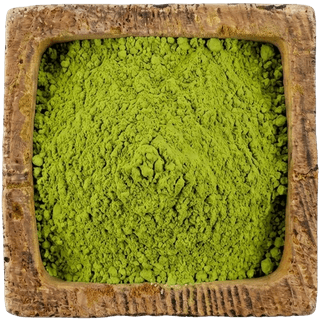
Zelený kratom
Zelený kratom, často popisovaný jako druh nacházející se uprostřed mezi stimulačním bílým a sedativním červeným, má unikátní kombinaci účinků, která jej činí populárním mezi širokým okruhem uživatelů.
Popis a charakteristiky
Zelený kratom dostává své jméno od zelené barvy žilek na listech. Tyto listy se obvykle sbírají ve střední fázi růstu, což zajišťuje rovnováhu mezi mladými a plně zralými listy. Proces sušení zeleného kratomu zahrnuje sušení jak v interiéru, tak na otevřeném vzduchu, což přispívá k rozmanitosti jeho chemického složení a účinků.
Účinky a použití
Zelený kratom je známý pro své mírně stimulační a současně relaxační vlastnosti. Může napomáhat zvýšení energetické hladiny a zlepšení nálady, aniž by přitom vyvolával silné vzrušení nebo úzkost. To jej činí vhodnou volbou pro ty, kteří hledají vyvážený efekt, vhodný jak pro ranní, tak i večerní užívání.
Popularita a preference uživatelů
Zelený kratom je často vybírán kvůli své schopnosti poskytovat jak zlepšení koncentrace, tak relaxaci, což jej činí ideálním pro použití během celého dne. Je také populární mezi uživateli, kteří hledají jemnější účinek ve srovnání s intenzivnějšími bílými nebo červenými druhy.
Recenze uživatelů
Uživatelé zeleného kratomu často zdůrazňují jeho univerzálnost a mírnost účinků. Mnozí hlásí pocit jasnosti mysli a mírné zvýšení energie bez výkyvů nálady nebo úzkosti, často spojené s jinými stimulanty. Kromě toho může také pomáhat ve zlepšení sociálních interakcí a celkového blaha.
Celkově je zelený kratom vynikající volbou pro ty, kteří hledají vyvážený efekt, který podporuje jak zlepšení nálady, tak mírnou stimulaci. Tento druh je vhodný pro široké spektrum uživatelů a může být obzvláště užitečný pro nováčky ve světě kratomu, kteří chtějí začít s jemnějším a lépe kontrolovatelným zážitkem.
Srovnávací analýza
Porozumění rozdílům mezi bílým, červeným a zeleným kratomem je důležité pro ty, kteří chtějí vybrat vhodný druh v souladu s individuálními potřebami a požadovanými účinky. Pojďme se podívat na klíčové rozdíly mezi těmito třemi druhy.
Srovnání účinků
- Bílý kratom se vyznačuje více stimulačními a energizujícími účinky. To jej činí ideálním pro ranní použití nebo jako zvýšení energie během dne.
- Červený kratom je známý pro své sedativní a analgetické vlastnosti. Často se používá ke zlepšení kvality spánku, zmírnění bolesti a snížení úrovně úzkosti, zejména ve večerních hodinách.
- Zelený kratom nabízí mírně stimulační a zároveň relaxační účinky, což jej činí vhodným pro použití během dne, když je potřeba vyvážený přístup.
Rozdíly v použití
- Bílý kratom často preferují ti, kteří hledají zlepšení koncentrace a mentální jasnosti.
- Červený kratom je volbou pro ty, kteří trpí chronickými bolestmi nebo potřebují pomoc při zlepšení kvality spánku.
- Zelený kratom je ideální pro uživatele, kteří chtějí kombinovat lehkou stimulaci s relaxací, a často se doporučuje začátečníkům.
Důležitost výběru druhu
Výběr druhu kratomu závisí na individuálních cílech uživatele a preferencích. Někteří uživatelé mohou preferovat sedativní účinky červeného kratomu pro večerní relaxaci, zatímco jiní mohou hledat více energetizující a stimulační zážitek od bílého kratomu. Zelený kratom, jakožto univerzálnější, je často zlatou střední cestou, nabízející vyvážené spektrum účinků.
Závěrem, porozumění těmto rozdílům pomůže uživatelům přistupovat k výběru kratomu více uvědoměle, zajišťujíc maximalní odpovídání jejich potřebám a preferencím. Je vždy důležité pamatovat na nutnost dodržování doporučených dávkování a opatrnosti při používání těchto produktů.