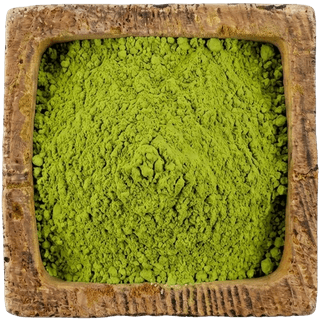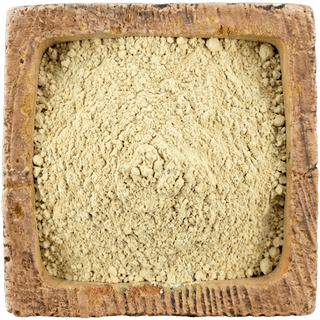
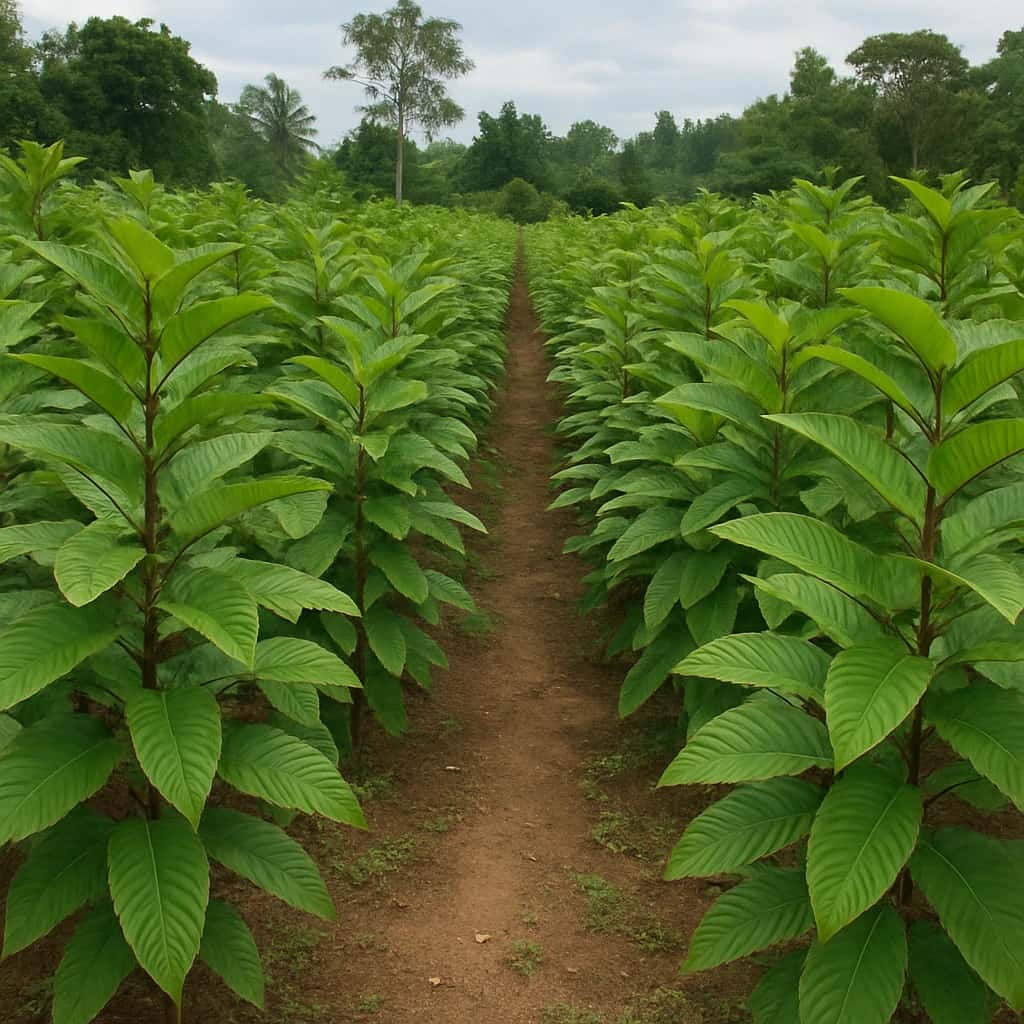
Kratom, a tropical tree native to Southeast Asia, has gained worldwide attention. Its leaves are known for their unique alkaloid profile. This profile varies depending on the country of origin.
Indonesia and Thailand are the main sources of kratom. Each of these countries offers different characteristics due to different growing conditions. Indonesia is currently the largest exporter with a robust supply chain.
Thailand, which recently legalized kratom, is becoming a strong competitor. This change opens up new opportunities for export. The quality of kratom can vary significantly between batches.
Factors such as soil quality and harvesting methods play a key role. Looking ahead to 2025, the kratom market is poised for change. These changes will be driven by changes in regulation and increased demand.
In the Czech Republic, kratom is growing in popularity. More and more consumers are looking to buy kratom in Prague and other cities. To make an informed purchase, it is essential to know the origin and quality of the batch.
This article discusses the future of kratom exports in 2025. It highlights the importance of country and batch quality and compares Indonesia and Thailand.
What is kratom and why is its origin important?
Kratom, botanically known as Mitragyna speciosa, is a tropical tree found primarily in Southeast Asia. The leaves of this tree have been used in traditional practices for centuries. People seek it out for its unique alkaloid composition, which has various effects.
The potency of kratom is influenced by several factors, including where it is grown. The climate and soil of each region contribute significantly to the chemical profile of the leaves. This results in a diverse range of effects and potencies that influence consumer choice.
Why origin matters
- Climatic conditions: The tropical climate is essential for the development of alkaloids.
- Soil composition: Nutrient-rich soils increase the potency of kratom.
- Harvesting techniques: Local practices influence quality.
- Cultural practices: Traditional knowledge influences cultivation methods.
Indonesia is a leader in kratom exports due to its established practices. It offers consistent quality and a wide variety of strains. Indonesian kratom is valued on the international market for its potency and reliability.
Thailand, which has a long tradition of kratom use, offers unique varieties known for their diverse effects. Since legalization, Thailand has reestablished itself as a key player in kratom production.
Understanding the origin of kratom helps consumers make informed decisions. It affects the quality of the product and the experience it provides. The balance of alkaloids, which is often determined by origin, can define whether kratom is stimulating or relaxing.
As popularity grows, so does the need for transparency in kratom sourcing. Knowing the country of origin of a product provides insight into its expected effects. It allows consumers to choose products that match their preferences and needs.
The history and present of kratom cultivation in Indonesia and Thailand
Kratom has a long history in Indonesia, where it has been cultivated for generations. The country is a world leader in kratom production. It has optimal conditions for cultivation thanks to its tropical climate and rich soils.
Indonesian farms often practice traditional methods that have been perfected over the years. These techniques ensure a stable supply of high-quality kratom to the global market. Kratom exports are a significant source of income for local communities.
In Thailand, on the other hand, the history of kratom has been influenced by legislation. Kratom was long outlawed, which limited its production and export. The situation has only recently changed, opening up new opportunities for Thai farmers.
Following the legalization of kratom in Thailand, many farms have begun to adapt to production and export. Thai kratom is valued for its mild but effective nature. Thailand is thus beginning to compete with Indonesia on the international stage.
Key differences between Indonesia and Thailand:
- Legal conditions: Thailand has recently legalized kratom, while Indonesia has a long history of exporting it.
- Agricultural methods: Indonesia relies on traditional techniques, while Thailand is adapting them to modern requirements.
- Historical use: Kratom has deep roots in traditional medicine in Thailand.
Many Thai farmers are now focusing on improving the quality and diversity of their products. The goal is to compete with the established Indonesian market with unique Thai varieties.
The economic benefits of kratom are crucial for both countries. It provides jobs and supports local communities. With demand continuing to grow, both countries are expected to continue expanding their production capacities. The kratom industry can thus play an important role in their economic development.
Comparison: Indonesian vs. Thai kratom – differences in quality and effects
Indonesian kratom is world-renowned for its diversity and availability. It is produced in different varieties that offer a wide range of effects. The dominant Indonesian kratom includes red, green, and white veins, each with specific properties.
Thai kratom, on the other hand, boasts strong and long-lasting effects. Varieties such as Maeng Da are popular among users for their effectiveness. Thai production is smaller but focuses on a specific high-quality target group.
Key differences in quality:
- Soil origin: Indonesian soil is rich and ideal for growing different varieties.
- Drying process: Indonesia uses traditional methods that stabilize quality.
- Thailand: Focuses on the premium segment and unique varieties.
Effects and consumer preferences:
- Indonesian kratom: A diverse range of effects.
- Suitable for beginners and experienced users.
- Thai kratom: Stronger and more intense effects.
- Popular among demanding users.
Some users prefer Indonesian kratom for its availability and wide range of effects. Others choose Thai kratom for its strength and quality. The choice often depends on personal preferences and desired results.
Thai kratom is often praised for its consistency. Its standardized cultivation produces high-quality and reliable products. Indonesian kratom, on the other hand, is valued for its traditional and natural cultivation.

Price differences between Indonesian and Thai kratom also play a role. Thai kratom tends to be more expensive due to its limited availability and specialization. Indonesian kratom is generally more affordable, making it a popular choice for a wider range of consumers.
Choosing between Indonesian and Thai kratom can be challenging, but understanding these differences helps consumers make a decision. The final choice depends on individual needs, preferences, and expectations from kratom.
The Importance of Batch: How Does It Affect Kratom Quality?
The batch of kratom can significantly affect its quality and effectiveness. Different batches may come from different harvests, resulting in differences in composition and effect. Each harvest involves different growing conditions, which can affect the overall product.
Regular quality control is key to ensuring consistency in each batch. Certification and batch testing help maintain high standards. Without these steps, the quality of kratom can be highly variable.
Key factors affecting batches:
- Soil conditions and climate
- Harvesting and processing methods
- Drying and storage time

Consumers often look for batches from certified suppliers. Certification guarantees that the batch has undergone thorough quality control. Customers can then be sure that they are getting high-quality kratom.
Knowing the batch is also important for tracking consistency of effects. Users who find a favorite batch can more easily repeat their experience. Suppliers often list the batch number, which helps track origin and quality.
Batches thus play a key role in the world of kratom. They are an important indicator of a product’s quality, effectiveness, and consistency. Thorough monitoring and understanding of batches is crucial for conscious and informed consumer decision-making.
The kratom export process in 2025: Legislation, certification, and trends
Kratom exports are undergoing dynamic changes. Legislation and certification play a key role in its international trade. As global demand increases, so do quality and safety standards.
Significant regulatory shifts are expected in 2025. These will affect the process of exporting kratom to major markets. The rules will focus on transparency and traceability of the supply chain. This will ensure that kratom is produced and processed ethically.
Key aspects of export legislation:
- Mandatory quality certification
- Compliance with international regulations
Certification is a necessary step for entering global markets. Certificates ensure that the product meets strict quality criteria. This gives consumers confidence in the safety of their purchase.
In addition, exporters must monitor current trends and demand. Requirements for the purity and consistency of kratom are constantly evolving. New technologies can bring innovations in processing and packaging. These factors can significantly affect competitiveness.
Trends in kratom exports:
- Increasing emphasis on sustainability
- Implementation of technological innovations
Technological advances bring new opportunities to streamline the export process. For example, advanced drying and packaging methods can improve product shelf life. Sustainable practices are also gaining popularity among suppliers.
In 2025, these aspects will be crucial for successful kratom exports. Producers and traders will need to monitor developments and adapt quickly to changes. This will allow them to remain competitive and respond effectively to market demands.
Kratom and its journey to the EU: Market, demand, and purchasing options
Kratom is becoming increasingly popular in the EU. It appeals to various consumer groups. Its unique properties attract both natural medicine enthusiasts and curious newcomers.
Demand for kratom is growing in Czechia. Many people are discovering it thanks to its potential benefits. These include increased energy and relaxation. This has led to the emergence of specialized stores offering kratom.
Where to buy kratom in the EU?
Most people turn to online stores such as VivaDzen. These often offer a wider range than brick-and-mortar stores. Online shopping is also more convenient. Some key purchasing options include:
- Online e-shops
- Specialty stores with herbal products
- At some markets and fairs
The popularity of kratom is encouraging the opening of new stores. Some stores specialize exclusively in kratom. Others offer a wide selection of herbal supplements. These stores often provide expert advice.
Consumers care about quality. Choosing a trustworthy supplier is essential. A consumer guide to reputable stores can help customers make the right choice.
Kratom’s journey to the EU is quite complicated. Legislation and regulations are sometimes unclear. However, thanks to strong demand, importers are trying to overcome obstacles and bring quality products to market.
Further development of the European kratom market can be expected in the future. Demand could increase significantly in 2025. More purchasing options and a wider range of products will attract new customers and raise awareness of kratom.
Kratom in big cities: Where and how to buy kratom?
Major cities offer a wide range of places to buy kratom. Products are available for both newcomers and experienced users.
Many local retailers specialize in health foods. They offer a wide range of kratom products. This includes various types and batches.
Here are a few tips on where to buy kratom:
- Regular pharmacies that are starting to sell herbal supplements
- Specialized health and wellness stores
- Events and fairs where specialists often appear
Of course, online stores are also popular. They offer the convenience of shopping from home. They also offer the opportunity to compare different products and their prices.
When buying kratom, it is important to pay attention to quality. The reputation of the seller, the origin of the kratom, and the methods of transport play a key role. A well-informed seller should also offer recommendations or detailed explanations about the products.
The kratom market in the EU is constantly evolving. So it’s a great time to discover these natural options in your city.
Sustainability and environmental impacts of kratom cultivation
Kratom cultivation is associated with several environmental problems. If these are not addressed, there may be a negative impact on nature.
One of the main problems is deforestation. Kratom cultivation can lead to the removal of natural forests to create plantations.
Kratom crops should be planted with respect for the local ecosystem. Sustainable practices can help preserve biodiversity.
With growing demand, it is critical that farmers focus on:
- Reforestation – restoring the original forest
- Organic farming methods – without synthetic fertilizers and pesticides
- Conservation of water resources – effective management and protection
Kratom farmers and producers are increasingly focusing on proven environmental practices. They are working with local communities and governments to protect the landscape and improve agriculture.
Consumers play a role in increasing demand for organically produced kratom. They demand transparency in the supply chain and prefer products from sustainable sources.
By 2025, sustainable agricultural practices could be the norm. This would ensure environmental protection and stable kratom production for future generations.
The Future of Kratom: Expected Market Changes by 2025
The kratom market is bound to change in the coming years. Technological and regulatory shifts are expected to affect its availability and quality.
Technology plays a key role in the cultivation and processing of kratom. Innovations increase efficiency and minimize environmental impact.
Regulation of the kratom market is likely to tighten. Transparency and adherence to standards will ensure that the quality of kratom is consistent.
Global demand for kratom is growing, motivating producers to improve quality and offer competitive prices. The market is becoming increasingly globalized.
Significant changes include:
- Digital trading platforms – facilitating access to information about products and producers
- Better certification standards – guaranteeing quality and safety
- Increased government involvement – regulating exports and protecting consumers
by Logan Voss (https://unsplash.com/@loganvoss)
Kratom could be part of both traditional and alternative medicine by 2025. Scientific research may confirm its potential health benefits and risks.
Consumers will emphasize origin and freshness. Education and transparent marketing will provide greater confidence in available products.
The future of kratom is promising, but it requires the cooperation of all stakeholders. Open dialogue between farmers, governments, and consumers is key to sustainable growth.
What to look for when choosing kratom? Advice for consumers
When choosing kratom, quality and origin are key. This ensures the safety and effectiveness of your product.
The first step is to check the supplier’s reputation. Reputable sellers offer transparent information about origin and testing.
Another factor is knowing the differences between batches. Stability and uniformity in packaging indicate quality products.
Consumer feedback is also important. Reviews from other buyers provide valuable insights into experiences with specific batches.
When buying kratom, consider:
- Origin: Prefer products from controlled plantations.
- Certification: Look for third-party testing.
- Reviews: Read the experiences of other users.
- Packaging: Carefully check closures and labels.
Buying kratom is not just about price, but also about health value. A quality product is worth the investment.
Don’t forget about local regulations. Some areas may have restrictions on the sale or use of kratom.
Conclusion: Why the country of origin and batch of kratom matter in 2025
The origin and batch of kratom are key to understanding its quality and effects. These two criteria play a crucial role in the entire process, from cultivation to consumption.
The country of origin influences the alkaloid profile of kratom. Indian and Thai varieties have their own unique characteristics due to different climatic conditions and cultivation cultures.
By 2025, the importance of these factors will continue to grow. The kratom market is becoming globally competitive, so it is necessary to focus on top quality.
It is precisely the differences between batches that can reveal how kratom was grown and processed. Consumers who are aware of these differences can choose the best product for their needs.
In conclusion, kratom is not just about effects, but about responsible choice. Quality, origin, and batch are the three pillars that will shape the future of kratom on the market.