Ashwagandha is a plant with a thousand-year history, which only now seems to be revealing its true potential. And this is not surprising: in today's stressful and demanding world, it is literally indispensable. Ashwagandha is a powerful adaptogen, which means it helps the body adapt to difficult conditions.
What is ashwagandha?
Ashwagandha (Withania somnifera) is an adaptogenic plant from India. It is also widespread in Asia, Africa and other parts of the world. It is also called ‘Indian ginseng’ or ‘sleepy nightshade’. Other names include ‘winter cherry’ or ‘herb of youth.’ In Ayurvedic medicine, it has been one of the most beloved plants for thousands of years. The name ‘ashwagandha’ comes from the words ashwa (horse) and gandha (smell). According to legend, it has the strength of a horse — and smells like one too. This name symbolically refers to its powerful effect and the characteristic aroma of its root. Ashwagandha is associated with strength, endurance and resilience, as these are the qualities it supports in the body. It strengthens both physical and mental endurance and can be used preventively.
What does the plant look like?
As ashwagandha is a tropical plant, it is always green. It has oval leaves and is quite attractive in appearance. It is a perennial plant that reaches a height of 35 to 80 cm, depending on the conditions. Ashwagandha flowers are yellow-green, and after flowering, red berries appear, wrapped in a thin shell similar to physalis. Ashwagandha belongs to the nightshade family. Although it blooms and bears fruit, its main value lies in its roots. They are narrow and reach a length of half a metre to a metre. Today, ashwagandha can even be grown in our region, but it cannot withstand frost outdoors. Therefore, it needs to be planted in a pot and brought indoors in winter. However, because of this, the plant does not have time to develop a powerful root system.
What is the history of this plant?
The history of ashwagandha dates back more than 2,500 years. The first mentions of it are preserved in ancient Indian medical texts — the Charaka Samhita. Ashwagandha is an integral part of Ayurvedic practice. It has long been used to strengthen the immune system, stimulate libido and restore hormonal balance. Decoctions from the root were used in ceremonies, rituals and even wedding ceremonies — that is, in all cases where it was necessary to strengthen the body and spirit. Surprisingly, this ancient plant is the perfect remedy for modern-day ailments: it helps the body respond better to stress and strain. By reducing the production of stress hormones, ashwagandha has a number of positive effects on health.
Which parts of the plant are used?
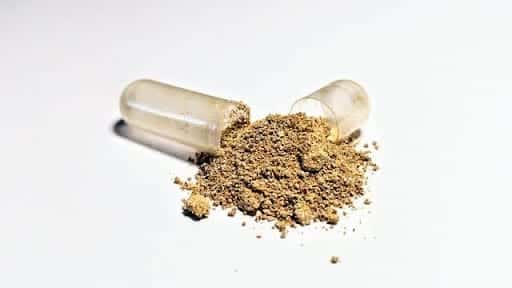
The most commonly used part of ashwagandha is its long tuberous root, which is dried and ground into powder. The most common forms are ground dry ashwagandha root or chopped root (for making infusions). The powder is often packaged in capsules, which is a convenient form for consumption. The root is considered the strongest and most valuable part of the plant, but ashwagandha leaves are also used, although to a lesser extent, as they contain fewer active substances. In some regions, the berries of this powerful plant are also used, although their use is less common than the roots.
Main effect – powerful adaptogen
This plant is unique in that it belongs to a rare group of adaptogenic herbs. Plants usually have many different properties, but the main emphasis is on those that predominate. In the case of ashwagandha, all attention is focused on its adaptogenic qualities. It helps improve the body's health by increasing its ability to adapt to difficult conditions. An adaptogen is a substance that increases the body's resistance to stressful situations (such as psycho-emotional tension, fatigue, physical overload). In addition to ashwagandha, adaptogens also include ginseng, maca, basil and others.
What substances does ashwagandha contain?
The main active substances in ashwagandha are so-called withanolides, which are responsible for its adaptogenic properties. Studies confirm that these substances increase resistance to stress and protect the body from pathogens.
Ashwagandha also contains valuable alkaloids — withanin, somniferin, withanin A, withanin B and others. Other bioactive substances in this adaptogenic herb include flavonoids, glycosides, saponins, phenols, steroids, and steroid lactones. It also contains vitamin C, iron, and other minerals.
What does ashwagandha taste like?
If you expect its effectiveness to be accompanied by a pleasant taste, you will be disappointed — ashwagandha has a very bitter taste and a specific smell. It is an effective herbal extract, the taste of which is best masked by adding it to yoghurt, porridge or smoothies, for example. That is why it is often consumed in capsule form.
Rules for use
The recommended daily dose of ashwagandha depends on the manufacturer. It is usually between 250 and 600 mg per day — this amount reduces stress levels, improves sleep and has a general beneficial effect. Always follow the recommendations on the packaging. A long course of treatment is necessary to achieve a noticeable effect. The minimum duration of use is at least one month.
In what forms can ashwagandha be purchased?
Today, ashwagandha is available in various forms — powder, crushed root, capsules, tablets, tinctures, and liquid extracts.
Who can benefit from ashwagandha?
Given its pronounced:
- anti-inflammatory,
- antioxidant,
- detoxifying,
- tonic,
- aphrodisiac,
- stimulating,
- diuretic,
- astringent
- and antiparasitic properties, a wide range of people can benefit from it.
Ashwagandha can be used by:
- people who are under stress, have a demanding job or are going through a difficult period in their lives
- those who are regularly exposed to physical or psychological stress
- people suffering from anxiety (ashwagandha relieves tension and calms)
- athletes (supports muscle growth, strength and speeds up recovery)
- people with chronic fatigue (increases energy levels),
- couples planning to have a baby (improves reproductive function in men and women),
- those who care about mental health (ashwagandha supports memory and cognitive function),
- people with sleep disorders,
- diabetics (stabilises blood sugar levels),
- those seeking to lose weight,
- people with cardiovascular disease (lowers cholesterol, regulates blood pressure, strengthens blood vessels),
- women in menopause (eases symptoms),
- those who want to slow down the ageing process (ashwagandha is known to increase vitality and combat age-related changes).
What other properties does ashwagandha have?
This plant is associated with:
- support for neurodegenerative diseases (may help with Alzheimer's, Parkinson's, etc.),
- cancer prevention and treatment,
- arthritis treatment (due to its anti-inflammatory effect),
- a powerful effect on the immune system.
Are there any risks?
Ashwagandha is safe in moderate doses. Potential side effects may only occur with overdose or prolonged excessive use:
- rash, itching, other allergic reactions,
- digestive disorders (diarrhoea, nausea, vomiting),
- emotional detachment or sleep problems (due to its stimulating effect),
- interaction with thyroid, diabetes or sedative medications.
Not recommended for children, pregnant and breastfeeding women, as well as people with hormonal or autoimmune diseases.
How to choose high-quality ashwagandha?
Pay attention to:
- the content of active substances (the higher the percentage of withanolides, the better),
- the purity of the composition (preferably without unnecessary additives),
- the price,
- the reliability and reputation of the manufacturer.