Ashwagandha is a herb that has been around for thousands of years, but only now seems to have found its true potential. This is hardly surprising. Today’s hectic times, full of stressful factors, are crying out for it. Ashwagandha is a powerful adaptogen and therefore helps our body adapt to more complex conditions.
What is ashwagandha?
Ashwagandha (Latin name Withania somnifera) is an adaptogenic herb from India. It also grows abundantly in Asia, Africa, and other parts of the world where it has spread. You may know it as Indian ginseng. However, it has many other names, such as „winter cherry“ or „herb of youth.“ It has been a popular Ayurvedic herb for many years. The name ashwagandha – pronounced „ashwaganda“ – comes from the terms „ashwa“ = horse and „gandha“ = smell. The herb is said to have the strength of a horse and also smell like a horse. Symbolically, this name refers to its powerful effects and the specific odor of the plant’s roots. The herb is often associated with human strength, resilience, and endurance, as it promotes these qualities in people. It increases physical and mental performance and can also be used preventively.
What does the herb look like?
As it is a tropical plant, the herb is evergreen. It has oval leaves and is very attractive to look at. It is a robust perennial that grows to a height of 35 to 80 cm, depending on the conditions in which it grows. Ashwagandha blooms yellow-green, and after flowering, red berries appear, which are wrapped in a thin shell similar to a mulberry. Ashwagandha belongs to the nightshade family. Although it blooms and bears fruit, its most interesting part is undoubtedly its roots. These are narrow and grow to a length of half a meter to one meter. Nowadays, Withania somnifera can also be grown in our country. However, it will not survive frost outdoors. Therefore, it is necessary to grow the plant in a pot and store it indoors during the winter. However, this prevents the plant from developing a rich root system.
What is the history of this herb?
Ashwagandha has a history dating back 2,500 years. The first mentions of this herb can be found in ancient Indian medical texts called „Charaka Samhita“. Ashwagandha is an integral part of Ayurvedic medicine. Since ancient times, it has been used to strengthen the immune system, stimulate libido, and restore hormonal balance. A decoction of the root was an integral part of various ceremonies, rituals, and weddings… in short, occasions where it was necessary to strengthen both body and spirit. It is incredible that a herb thousands of years old is the ideal remedy for the vices of modern times – it helps the body respond better to stress and strain (the body then does not release as many stress hormones, which has a number of beneficial side effects).
Nebyly nalezeny žádné výsledky.Which parts of the plant are used?
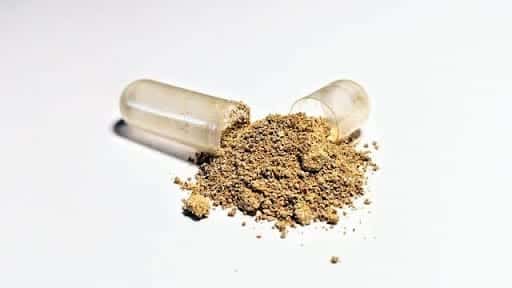
The most commonly used part of ashwagandha is definitely its long tuberous roots, which are dried and ground into powder. It is most often available as ground dried ashwagandha root or cut root (for preparing infusions). The powder is often processed into capsules, which are convenient to use. The root is therefore the strongest and most widely used part of the plant, but the leaves of ashwagandha can also be used, as they also contain medicinal substances, albeit to a lesser extent. Locals also use the berries of this robust herb. However, their use is not as common as that of the roots.
Main effect – powerful adaptogen
This herb is unique in that it belongs to a rare group of adaptogenic herbs. Herbs usually have a number of different effects, and emphasis is placed on those effects that predominate. In this case, all the spotlight is on the adaptogenic properties of ashwagandha. It helps the body by strengthening its ability to adapt to difficult conditions. Adaptogenic = increasing the body’s resistance to stressful situations (including stress, mental strain, and fatigue). Other adaptogens besides ashwagandha include ginseng, maca, basil, and so on.
What substances does ashwagandha contain?
The main substances in ashwagandha are called withanolides, which give the plant its main adaptogenic properties. These substances have been proven in studies to increase stress tolerance and protect against various pathogens.
Ashwagandha contains a number of valuable alkaloids, such as withanine, somniferine, withanine A, withanine B, and others. Other bioactive substances contained in this adaptogenic herb include flavonoids, glycosides, saponins, phenols, steroids, and steroid lactones. The herb also contains vitamin C, iron, and other minerals.
What does ashwagandha taste like?
If you expect the powerful properties of this herb to be accompanied by an exceptionally satisfying taste, ashwagandha will probably disappoint you. It tastes very bitter and its aroma is not particularly intoxicating. It is simply an effective herbal extract whose taste you will have to swallow or mix into something more palatable. That is why ashwagandha is added to yogurts, porridges, or smoothies, or consumed in the convenient form of capsules.
Rules of use
The recommended daily dose of ashwagandha varies depending on the manufacturer. The recommended amount is 250 to 600 mg per day, which will ensure anti-stress effects, improve sleep, and generally induce the desired effect. We always recommend following the recommended dosage indicated on the packaging. In order for the effects of ashwagandha to be noticeable, long-term use is necessary. The duration varies depending on the condition of the body. However, the minimum period of use is at least one month.
In what forms can you buy ashwagandha?
Nowadays, you can find ashwagandha in various forms – dried powder, cut root, capsules, tablets, tinctures, and liquid extracts.
Who can benefit from ashwagandha?
Given that ashwagandha has significant:
– anti-inflammatory,
– antioxidant,
– detoxifying,
– tonic,
– aphrodisiac,
– stimulating,
– diuretic,
– astringent,
– and antiparasitic effects, the range of people who could benefit from this herb is very wide.
The herb can be used by:
– people who are under stress, have a demanding job, or are going through a difficult period,
– people who regularly have to perform physically and mentally demanding tasks,
– people who experience anxiety (the herb calms anxiety and restlessness),
– athletes (ashwagandha promotes muscle growth and strength and accelerates regeneration),
– people with persistent fatigue (the herb has a positive effect on energy levels),
– people who want to have a baby (ashwagandha strengthens the reproductive system of both men and women),
– people who want to support their mental health, as ashwagandha is known to support memory and cognitive function,
– those who have trouble falling asleep and whose sleep is not of good quality,
– diabetics (ashwagandha stabilizes blood sugar levels),
– people who want to lose weight,
– people with heart problems (ashwagandha lowers blood cholesterol, regulates blood pressure, and strengthens blood vessels),
– women in menopause (the herb helps with the main symptoms of menopause),
– people who want to slow down the aging process in the body (the herb is known to promote vitality and combat the signs of aging).
What else can ashwagandha do?
The herb is known to:
– combat neurodegenerative diseases (it can therefore help with Alzheimer’s disease, Parkinson’s disease, and so on),
– can help treat or prevent cancer,
– can help treat arthritis (thanks to its anti-inflammatory properties),
– significantly supports the immune system.
Can the herb pose a risk?
In normal doses, ashwagandha is completely harmless and its consumption is always beneficial. Any health problems may arise from taking higher doses or long-term higher dosages. Sensitive individuals may experience:
– skin rash, itching, and other allergic reactions,
– digestive problems such as diarrhea or vomiting,
– emotional numbness or sleep problems (the herb acts as a stimulant),
– in some cases, the herb may interact with thyroid medications, diabetes medications, or sedatives.
The herb is not intended for children, pregnant and breastfeeding women, or people with hormonal and autoimmune diseases.
How to recognize high-quality ashwagandha?
When choosing, it is necessary to consider several important points. These include:
– the amount of active ingredients (the higher the percentage of withanolides listed on the packaging, the better),
– purity of composition (the product should have either a minimum of additives or, preferably, none at all),
– price,
– verified manufacturer.