What is the first thing that comes to mind when someone says the word „tea“? Let us guess! One of the first words that comes to mind is surely the superpower China. And no wonder. After all, the roots of tea culture are written right here. Let’s dive into the history, culture, types, and legends associated with tea.
The history of Chinese tea
There is no doubt that tea drinking has its roots in the cradle of Chinese tea culture. However, it is more difficult to date precisely when tea leaves were first used to prepare this delicious beverage. The oldest written mention of tea can be found in a Chinese dictionary from 350 AD. However, legends speak of tea much earlier.
Legend from China
The discovery that tea leaves could be brewed into a drink is said to have occurred around 2737 BC, thanks to an emperor named Shen Nung, who was nicknamed the Divine Ruler. Among other things, he was also a writer and philosopher. One day, when he went to meditate in the forest, he dozed off by a fire on which he had placed a pot of boiling water. The wind blew several dry leaves into the pot, which immediately released their aroma into the water. When he smelled the delicious scent, he couldn’t resist tasting it. He was so enthusiastic about the drink that he went to look for the bush. He then ran to the palace to boast about this joyful event.
However, Indian legend tells a different story
The most famous Indian legend attributes the discovery of this plant to Saint Daruma. He is also considered the founder of Zen Buddhism. Daruma, also known as Bodhidharma, came to China in 519 BC to bring happiness to the people. He believed that if he stayed awake and fasted constantly, he would win God’s favor. However, the sleepless nights took their toll and Daruma fell asleep from exhaustion. When he woke up, he was overcome with deep sorrow. He was extremely angry at his eyelids, which had failed to keep him awake. To ensure that this would never happen again, he cut off his eyelids and threw them into the forest. He returned to this place the next day and was surprised to find that a small tree had grown there. He tasted its leaves and found that his desire to sleep had disappeared. This is how tea is said to have originated.
Tea preparation
But enough about legends. For a long time, drinking tea was the exclusive preserve of the Chinese court. At the end of the 4th century, however, it began to spread as a medicine. The preparation at that time was very different from today’s. The picked leaves were pressed into cakes, which were then left to dry until they turned black. Onions and ginger were then added to them. The whole mixture was boiled and only then served as a medicine.
In the 7th century, tea began to spread among the general population. The first tea houses also appeared at this time. The year 780 is significant in that tea expert Lu-Yu wrote down his knowledge of tea in a book called Ch’a-Ching. This became a kind of holy scripture for all tea lovers. In addition to different types of tea, he also describes various types and methods of preparation. These also began to change gradually. It is still a cake, but it is lightly roasted and then ground into powder. According to the author, it is also important that the water is fresh and spring water. Because the popularity of tea after this year was really great, the government introduced a tax on tea. The first written mention of tea outside China can be found around 851, specifically in the book by the Arab traveler and merchant Suleiman.
Nebyly nalezeny žádné výsledky.Gong fu cha – tea ceremony
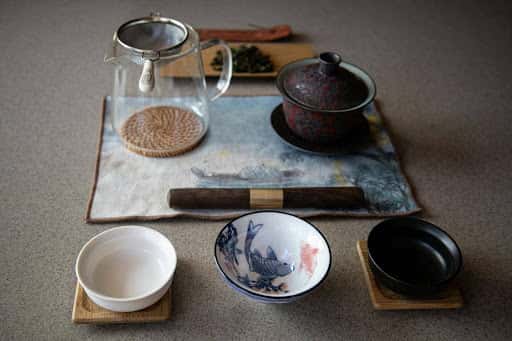
This is a method of preparing tea that uses more tea leaves, but with less water. The tea is steeped for a very short time and then repeatedly poured over several times, usually 2-8 times. The result of this tea ritual is to create a pleasant atmosphere and enjoy pleasant moments while drinking tea.
The most suitable teas are oolongs, pu-erhs, and various green teas. However, any other Chinese tea can be used, just use a smaller amount of leaves. You can actually make a small comparison yourself to see how the taste of individual teas differs between the classic method and the gong fu cha style. Then, based on your taste preferences, you can simply choose the method that suits you best.
During the tea ceremony, each infusion releases a different layer and taste of the tea. In contrast, when pouring water over the tea all at once, all the layers of tea are released at once into a single infusion.
Required equipment
- tea sea
- Yixing teapot
- drinking bowls
- strainer
- smelling set
- tea essentials – scoop, funnel, tweezers
Preparation
Pour boiled water into an empty teapot to rinse and warm it. Pour water into cups and smelling cups as well. This step is called the ritual of purification and warmth. Then pour the water onto the tea sea, or you can pour it over a statue to pay your respects.
Pour the tea leaves onto a presentation bowl and use tweezers to pass them around among the guests so that they can also examine them. Then pour the leaves into the pot and fill it to about 1/3 capacity. Use a scoop for larger leaves and tweezers for smaller ones.
Now it’s time to pour hot water into the teapot, filling it about halfway. Check the water temperature in advance based on the type of tea you are using. After about 30 seconds, pour this infusion over the statue to pay your respects again. According to tradition, this first infusion is not drunk. It serves to cleanse the tea and bring out its aroma.
Prepare the next infusion, which will be ready to drink, by pouring hot water over the leaves and steeping for about a minute. To ensure that all guests have equally strong tea, first pour it into a jug and then serve it to your guests. If you don’t have a jug, fill your guests‘ cups halfway and then gradually top them up. The tea is usually strongest at the bottom of the pot.
The steeping time increases with the number of infusions. You can repeatedly pour water over the tea as long as it tastes good.
Popular types of tea
We all have different preferences and taste buds. If you don’t like one type of tea, don’t worry! There is such a wide range to choose from. We have selected several interesting types that we think are worth trying. You can buy all of them in our online store. Our teas not only bring harmony of flavors and aromas, but when you drink them, you will feel calmness throughout your body and soul.
Cha Hua Shi (Broken Silver)
Cha Hua Shi (Broken Silver) comes from Yunnan Province and translates as „stone flower.“ When you taste it, you will notice a light nutty aroma with a hint of spice. Its taste is slightly bitter at first, but the bitterness gradually subsides, giving way to a nutty flavor.
An interesting fact about this tea is that at first glance, you would not guess that it is tea. You would be hard pressed to find tea leaves in it. The tea is processed using a method called wet pile. This creates a kind of tea stones, or fossils.
Its preparation is very simple. It is prepared using the pour-over method, so you pour about 150 ml of water boiled to 95 °C over one teaspoon of tea. The first infusion is traditionally strained, and subsequent infusions are steeped for 20 seconds according to taste. For subsequent infusions, the time is of course extended again.
Dragon Ball White Tea
White teas are among the finest varieties. In ancient times, they were so rare that only emperors were allowed to drink them. Today, this is no longer the case, and white teas are coming to the fore, catching up with green teas in popularity. This is all thanks to their delicate and delicious taste, but also their beneficial effects on the human body. White teas help reduce the risk of heart disease, combat skin aging, and can even help you lose weight.
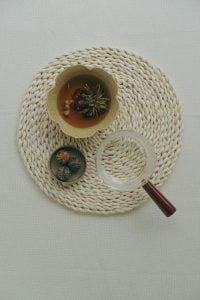
Dragon Ball white tea is made from young, unopened tea leaves that are tied into small balls. It has a refreshing taste with a hint of sweetness and floral notes, which is typical of most white teas. It will be especially appreciated by lovers of delicate flavors and aromas.
Matcha
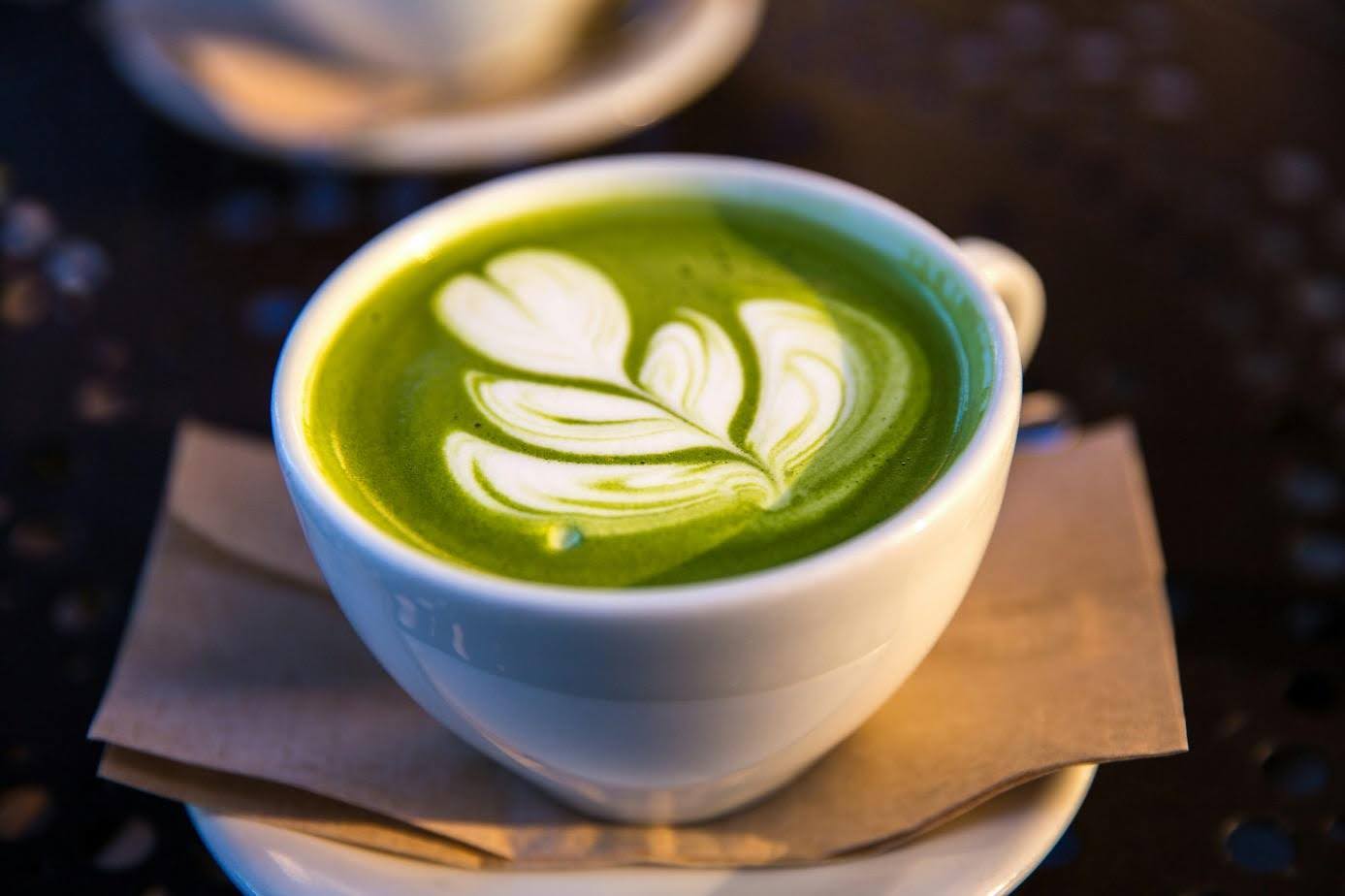
Matcha is not just ordinary green tea. For centuries, it has been served to the Japanese aristocracy. In addition, it is grown differently than classic green tea, which is why, according to research, it has up to 137 times higher levels of catechins, which are natural antioxidants.
Studies have also shown that matcha reduces liver and kidney damage in individuals who have problems with these organs. In addition, it helps improve attention, shortens reaction time, helps improve memory, and prevents energy fluctuations.
In recent years, matcha has become very popular around the world. You can consume it hot or cold, it is also added to many recipes, and you can even find matcha desserts in cafes. If you have it at home, there are no limits to your imagination. Try adding it to cakes, cookies, or muffins. You will create a dessert that is not only original but also healthy!
Pu-erh in Mandarin
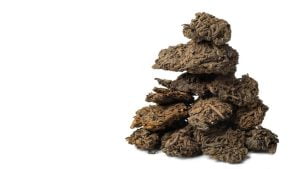
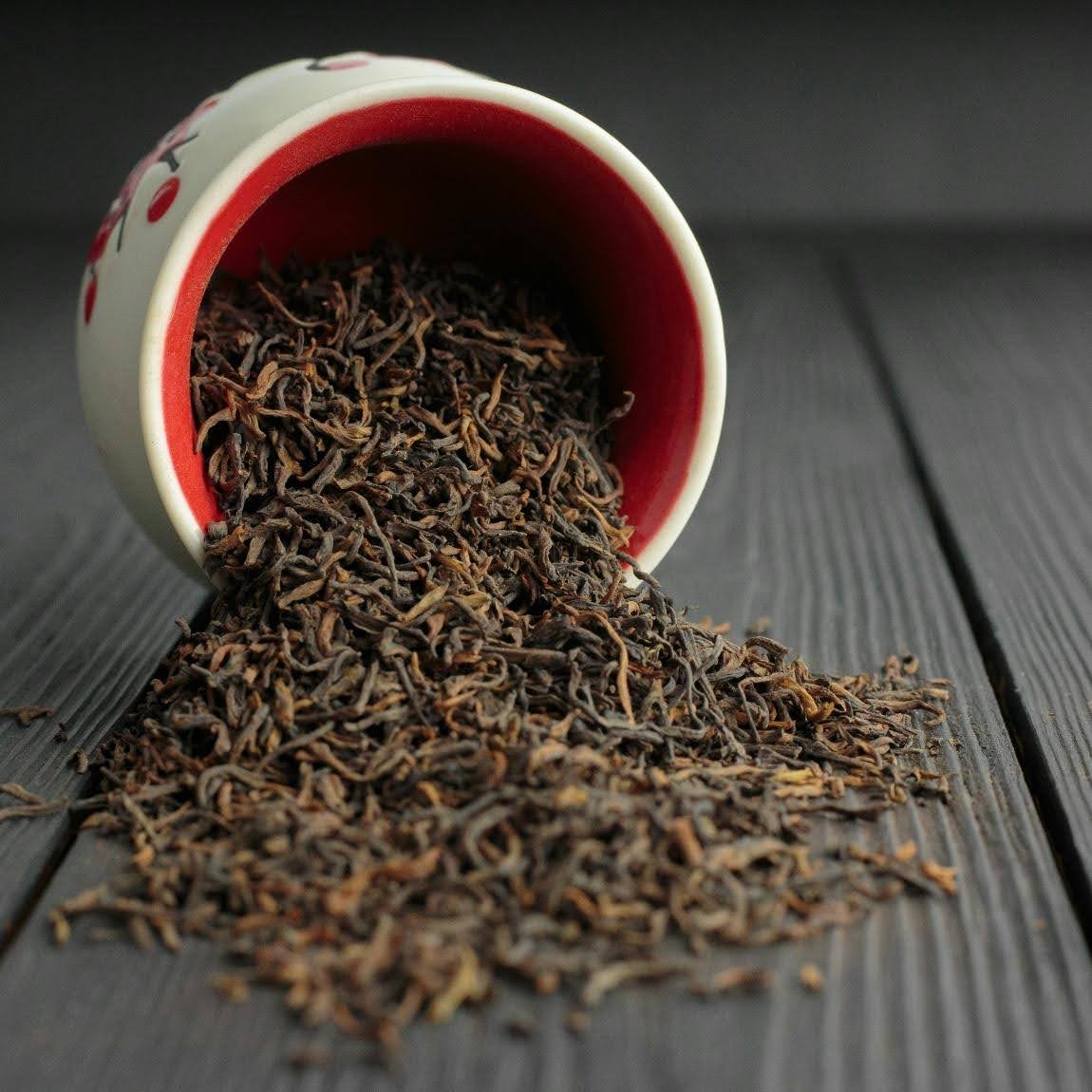
Pu-erh in Mandarin is a term used to describe dark teas. It is usually produced from a single tea bush and processed by additional fermentation or fermentation of the tea. Compared to classic black teas, pu-erh has an even darker color. Longer steeping will result in a completely opaque dark color. The taste is slightly bitter with a delicate aroma of essential oils and a fruity-citrus acidity. This tea is currently at the peak of popularity in China.
Tie Guan Yin
Tie Guan Yin ranks among the most popular teas in China. The Chinese also call it the tea of five flavors. It is an oolong tea that is perfect for the aforementioned tea ceremony. Each cup offers a different and delicious flavor.
Only a few teas can completely clear the mind, and Tie Guan Yin is one of them. The better and higher quality the variety, the stronger the effect. Their tea leaves contain many alkaloids. These are released in lukewarm water and gradually begin to flow through the body. This creates a pleasant feeling and a slight euphoria, often referred to as tea intoxication. This, of course, increases with the intensity of the tea.
Its invigorating effects are great for morning drinking and starting the day. In addition, it has an incredible amount of vitamins. It has a beneficial effect on the immune system, relieves headaches, and strengthens the proper functioning of the heart.
Da Hong Pao
Da Hong Pao is nicknamed the great scarlet robe. Thanks to its unique taste properties, it is often considered the imaginary king of all teas. It is also great for preparation in the gong fu cha style. The taste is strongly roasted at first, but then balanced, and the aroma is very pleasant and delicate. When properly processed, it will give you the energy you need and also a certain amount of courage.
We believe that our teas will not only make your day more enjoyable, but also provide you with much-needed relaxation or a better start to the next morning. You are sure to find one from our selection that will most delight your taste buds.