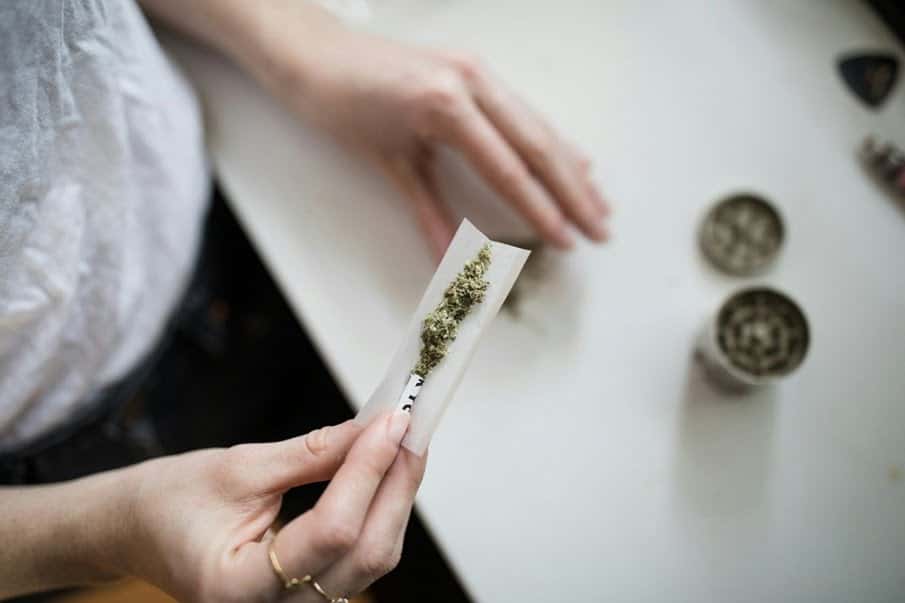
Do you still have prejudices against cannabis? Do you know what legal cannabinoids are and that they can benefit your health? We bring you a simple overview and explanation of what cannabinoids actually are and that there is no reason to be afraid of them.
What are cannabinoids?
The fact that cannabis has beneficial effects on human health in certain amounts is certainly not news to you. The fact that Chinese medicine has been using it for centuries is also proof of this. In past centuries, however, no one could explain why this was the case.
The discovery of cannabinoids is attributed to British chemist Robert S. Cahn. He determined the fully formed structure of CBN (cannabinol) in 1940. CBD was the next to be discovered, followed by THC, etc. Currently, there is a lot of research focusing on the effects of cannabis and its benefits for human health.
In general, cannabinoids are chemical compounds found in cannabis, especially in hemp. These complex molecules have various effects on our body because they interact with our body’s endocannabinoid system. This system is part of our nervous system and influences various bodily functions, including mood regulation, sleep, appetite, and memory. But we will talk more about that later.
You have probably heard of the most well-known cannabinoids. The first of these is CBD, which is becoming increasingly popular, especially in the form of various oils and capsules. The second most well-known is THC, which, unlike CBD, is the psychoactive component of cannabis.
Endocannabinoid system
To better understand how cannabinoids work and affect our bodies, it is necessary to briefly explain what the endocannabinoid system (ECS) is. This biological system is characteristic of all mammals, reptiles, and fish. Its task is to regulate all processes and functions in the body so that we are able to function and live.
The substances contained in cannabis bind to CB1 and CB2 receptors in our body. For example, THC binds to the CB1 receptor, which is located in the brain and nervous system. For this reason, THC causes psychoactive effects such as euphoria or changes in perception.
Research into the effects of cannabis on human health is still ongoing. However, some studies have already shown that it can help in the fight against chronic pain, anxiety, depression, and epilepsy. It is important to remember that every body is different, so the effects depend on factors such as dosage and method of use.
Classification of cannabinoids
Cannabinoids are divided into the following groups:
Endocannabinoids
These cannabinoids are produced by the human or animal body itself. As already mentioned, they help our bodies function properly. They play an important role in our bodies because they regulate sleep, pain, mood, and appetite.
Phytocannabinoids
These cannabinoids are produced by plants, which is why they are also called plant cannabinoids. The two most basic ones are, of course, THC and CBD. Other plant cannabinoids include CBG, CBN, and CBC. These compounds have mainly therapeutic effects that can have a positive impact on our health.
Nebyly nalezeny žádné výsledky.Synthetic cannabinoids
These are created artificially, so they are produced in laboratories. Many of them were developed for scientific research or as medicines. The downside, however, is that many of them have also been used to produce illegal drugs.
One example of a synthetic cannabinoid is dronabinol, which is found in some medications used to relieve pain, nausea, vomiting, and loss of appetite.
Hemp groups
Industrial hemp
Before 1989, Eastern Europe was a major producer of this type of hemp. Today, however, industrial hemp is only found on a few hectares of land. Farmers are trying to learn how to grow not only fiber, but also flowers and seeds. The flowers are widely used in the production of CBD. However, this is field or greenhouse production. For this reason, it is necessary to pay attention to and comply with the conditions of harvesting and processing. Hemp can absorb contaminants from the soil, such as mercury, cadmium, or lead, which can be dangerous to human health.
Recreational cannabis
THC has been used in Asia since ancient times for its euphoric and hallucinogenic effects. For the enjoyment of mankind, it then spread throughout the world. However, it is not completely legal everywhere. In the Czech Republic, you are not allowed to grow, possess, or process cannabis with a THC content higher than 0.3%.
Medicinal cannabis
Healing has accompanied humanity since its very beginnings. The flowers and seeds are used for these purposes. These are then most often processed into various extracts, ointments, and decoctions.
Medical cannabis
Female flowers are used for medical purposes. This cannabis can be found in pharmacies and meets the strictest legislative criteria. It can be used as a supportive treatment for a wide variety of diseases. This cannabis can be obtained with a prescription.
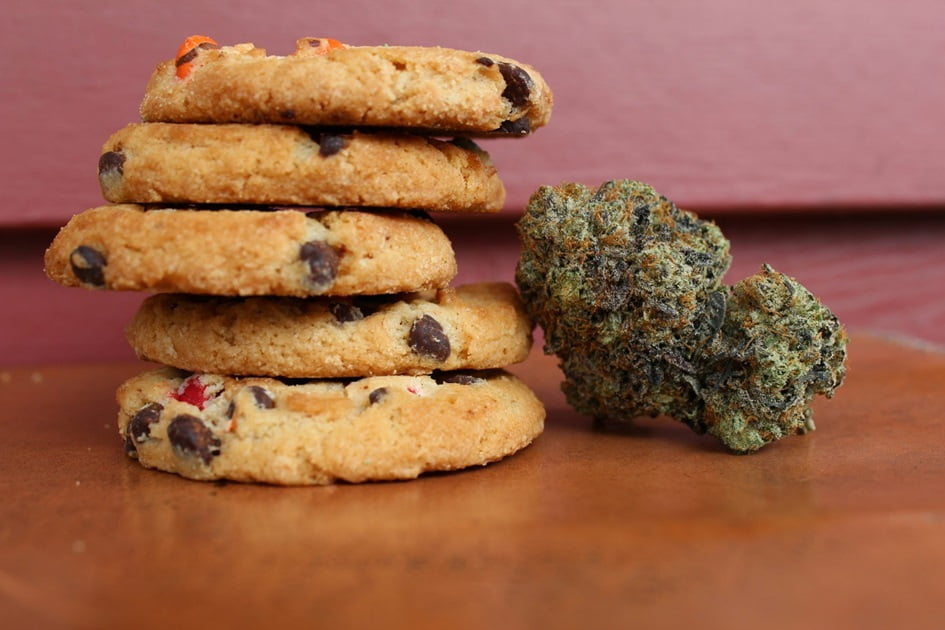
Interesting facts about cannabinoids that you probably didn’t know
Here are a few facts that may change your view of cannabinoids or refute some misconceptions.
They have been used for thousands of years
You may consider cannabinoid products to be relatively new and think that they are typical of today’s modern age. But that’s not true. Hemp has been cultivated for many thousands of years. Proof of this is hemp rope dating back to 8000 BC. Hemp was probably one of the first plants to be cultivated. It was first used for health benefits by Emperor Shen Nung sometime around 2737 BC. He liked to experiment with plant compounds and wrote about their effects in his encyclopedia, Pen Ts’ao.
Even the queen knew about the positive effects of cannabinoids
Queen Victoria was known mainly for being a tough cookie. At least six assassination attempts were made on her. However, she suffered from a number of health problems, such as hemophilia, menstrual pain, and headaches. Her private physician, Sir J. Russel Reynolds, recommended cannabis to the queen to improve her health.
Isolation of CBD in the 1940s
It was not until the 1940s that the two most common cannabinoids, THC and CBD, were isolated. Today’s extraction techniques are so advanced that they produce a non-intoxicating, potent cannabis extract that has a wide range of uses.
Cannabinoids in cosmetics
Cannabinoids are not only effective in edible form, but can also be great helpers in cosmetic products. There are already a number of products on the market that are designed, for example, for the local treatment of acne. Cannabis can often help in the treatment of eczema or other skin diseases.
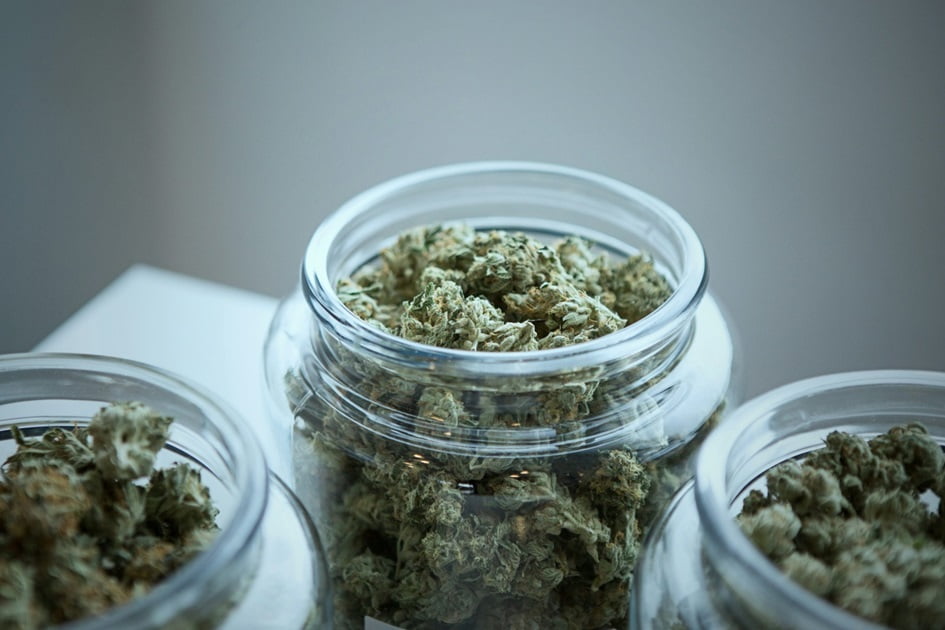
Legal cannabinoids
As the name suggests, these cannabinoids are not on the list of controlled substances and are therefore completely legal. Most of them are psychoactive, like THC, which means they induce similar feelings to THC, albeit to a lesser extent.
A common question is whether you can drive after taking them. Driving motor vehicles is permitted after using legal cannabinoids. If you take a drug test, no prohibited THC will be detected. However, keep in mind that you should only get behind the wheel when you are in good condition and, above all, fully conscious. If you know that cannabinoids make you feel too euphoric, definitely do not get behind the wheel.
CBD
It is one of the first cannabinoids to be discovered and, importantly, it is not psychotropic. In addition, it is legal in most countries. Products containing CBD have medicinal and therapeutic effects, but are not intoxicating.
What CBD can help you with
- Anxiety and depression – the most popular effect of CBD is its ability to calm you down. Some studies have also shown that CBD has antidepressant effects and a positive impact on social interaction.
- Pain relief – it helps relieve some chronic pain, neuropathic pain in multiple sclerosis, and pain associated with cancer.
- Better sleep – patients with stress disorders have also reported better sleep quality thanks to its use. This is particularly important for people with mental health issues, as sleep is often severely affected.
- Boosts immunity – CBD has antioxidant and anti-inflammatory effects, which are linked to proper immune system function.
CBD can be taken in many forms. Drops, oils, candies, cookies, and teas are available on the market.
THC-F1
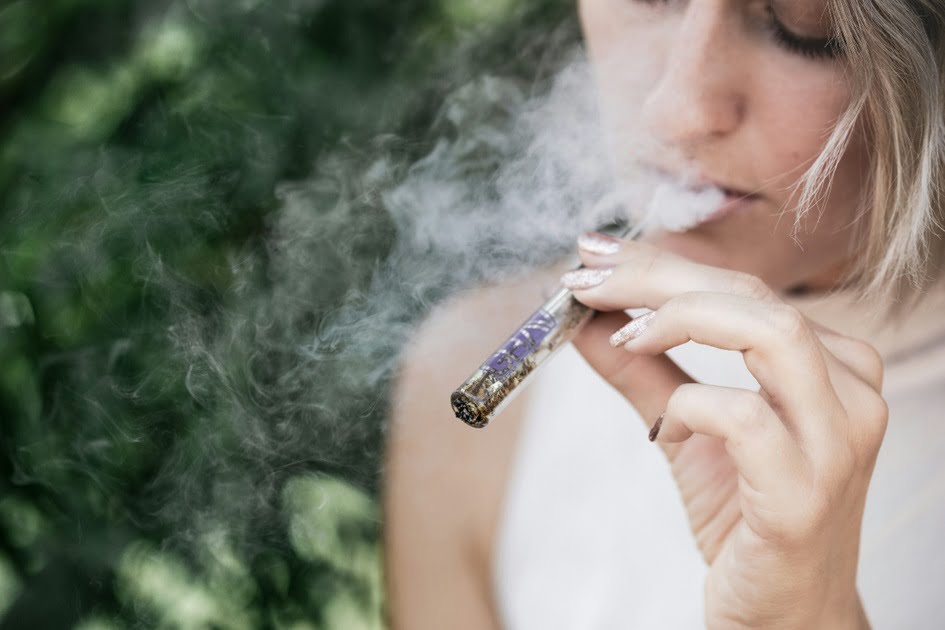
This variety is characterized by high resin production. The large amount of CBD it contains induces a feeling of well-being and calm. THC-F1 is not intended for direct consumption or smoking. It is most often available for purchase as a vaporizer pen.
These plants are grown in special enclosed grow rooms, where the temperature is constantly monitored and controlled to ensure the highest quality products. The enclosed space of the grow room guarantees consistent quality and freshness of the plants. The flowers then mature at low temperatures in special containers. This most important step contributes to the premium aroma and taste of the final product.
TH4C
TH4C is ideal for improving mood, inducing euphoria, and helping to improve sleep. This relatively new cannabinoid offers therapeutic possibilities and is a great alternative to traditional THC. Thanks to its lower psychoactive effects, it is suitable for therapeutic purposes without the strong euphoric state that is typical of classic THC.
CC9
CC9 is a relatively new psychotropic cannabinoid that has unique psychoactive properties but is still legal. Research into it is currently ongoing.
10-OH-HHC
This cannabinoid is also relatively new and research is still ongoing. Since 10-OH-HHC is a relatively new compound, its legal status is still evolving. Countries where it is currently legal include the Czech Republic, Germany, and the Netherlands, while in the US and Canada it is a strictly regulated substance.
Comparison of the effects of CBD and THC
At the end of the article, we provide a simple overview of the effects of these two substances.
Effects of CBD
- relieves pain – its anti-inflammatory properties alleviate various types of pain
- reduces anxiety and stress – thanks to its antioxidant effects
- improves sleep
- Antiepileptic effects – CBD has been approved for the treatment of certain types of epilepsy
- Anti-inflammatory effects – it reduces inflammation in the body, which is useful for arthritis or Crohn’s disease
- Helps with eczema and acne – it promotes good skin regeneration.
Effects of THC
- increases appetite – which can lead to overeating
- causes mood swings – some people experience euphoria, relaxation, or even anxiety or paranoia after use. CBD does not have this effect at all.
- improves mood – it can improve mood and alleviate symptoms of depression in some individuals.
- impairs short-term memory – it has a negative effect on short-term memory and cognitive abilities, especially in those who use higher doses
- addictive – a major disadvantage and difference between THC and CBD is that THC is highly addictive.
- Helps with nausea – in some countries, THC is approved for use in chemotherapy treatment, which is unfortunately often accompanied by nausea and vomiting.