1. Úvod
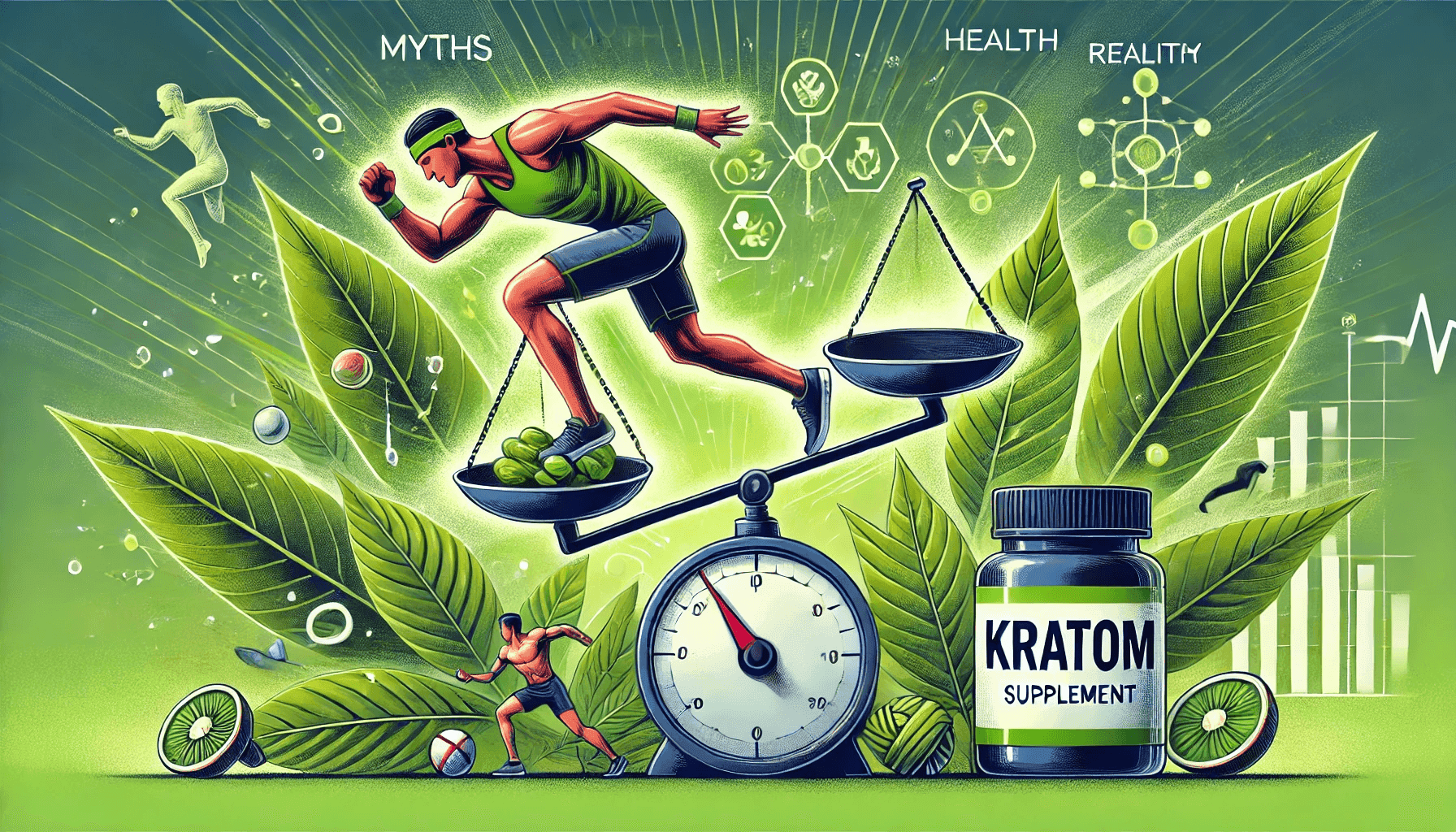
Kratom, nebo Mitragyna speciosa, je tropický strom pocházející z jihovýchodní Asie, jehož listy se po staletí používaly v tradiční medicíně. V posledních letech tato rostlina přitáhla pozornost sportovní komunity díky svým potenciálním vlastnostem, které mohou zlepšit fyzickou kondici a vytrvalost.
Popularita kratomu mezi sportovci každým rokem roste. Stále více atletů, od amatérů po profesionály, se obrací k této rostlině při hledání přírodního prostředku pro zvýšení svých výkonů. Kolem používání kratomu ve sportu se však vedou vášnivé diskuse a názory odborníků se často různí.
2. Proklamované výhody kratomu pro sportovce
Příznivci používání kratomu ve sportovní výživě mu připisují řadu užitečných vlastností:
Zvýšení vytrvalosti: Mnoho sportovců tvrdí, že jim kratom pomáhá trénovat déle a intenzivněji. To může souviset se stimulačním efektem alkaloidů obsažených v rostlině, které podle některých zpráv zvyšují energii a snižují pocit únavy.
Snížení bolesti a zotavení po tréninku: Jedno z tradičních použití kratomu je zmírnění bolesti. Sportovci uvádějí, že používání kratomu jim pomáhá vyrovnat se s bolestí svalů po intenzivních trénincích a urychluje proces zotavení.
Zlepšení soustředění a motivace: Někteří atleti uvádějí, že jim kratom pomáhá lépe se soustředit na tréninky a zvyšuje motivaci. To může být zvláště užitečné ve sportech, které vyžadují vysokou úroveň koncentrace.
Je důležité poznamenat, že tyto výhody jsou převážně založeny na anekdotických důkazech a osobních zkušenostech sportovců. Vědecký výzkum v této oblasti je zatím omezený a vyžaduje další studium vlivu kratomu na fyzickou aktivitu a sportovní výkony.
3. Vědecký výzkum
Navzdory rostoucí popularitě kratomu mezi sportovci je vědeckého výzkumu o jeho vlivu na fyzickou aktivitu stále nedostatek. Většina existujících studií se zaměřuje na obecné účinky kratomu a jeho potenciální využití v medicíně.
Přehled existujících studií:
– Studie z roku 2018, publikovaná v časopise „Frontiers in Psychiatry“, ukázala, že kratom může mít analgetické a protizánětlivé vlastnosti, což by mohlo být potenciálně užitečné pro zotavení po tréninku.
– Jiná studie, publikovaná v „Journal of Medicinal Chemistry“ v roce 2016, zjistila, že mitragynin, hlavní alkaloid kratomu, může působit jako stimulant, což vysvětluje zprávy o zvýšení energie a vytrvalosti.
Omezení současného výzkumu:
– Většina studií byla provedena na zvířatech nebo in vitro, nikoli na lidech-sportovcích.
– Chybí dlouhodobé studie o vlivu pravidelného užívání kratomu na fyzickou kondici.
– Neexistují standardizované studie, které by srovnávaly účinnost kratomu s jinými sportovními doplňky.
4. Mýty o kratomu ve sportovní výživě
Kolem používání kratomu ve sportu vzniklo mnoho mýtů. Podívejme se na ty nejběžnější:
Mýtus 1: Kratom je legální doping
Realita: Ačkoli kratom skutečně může zvyšovat výkon, nelze ho považovat za doping v tradičním smyslu. Mnoho sportovních organizací nezahrnulo kratom do seznamu zakázaných látek, ale situace se může změnit s příchodem nových studií.
Mýtus 2: Kratom je bezpečný v jakýchkoli dávkách
Realita: Stejně jako jakákoli aktivní látka, kratom může způsobovat vedlejší účinky, zejména při nadměrném užívání. Předávkování může vést k nevolnosti, zácpě, problémům se spánkem a dokonce k závislosti.
Mýtus 3: Kratom je vhodný pro všechny sportovce
Realita: Reakce na kratom je vysoce individuální. To, co pomáhá jednomu sportovci, nemusí fungovat nebo může dokonce uškodit jinému. Navíc kratom může interagovat s některými léky a doplňky, což je zvláště důležité pro profesionální atlety.
Je důležité si uvědomit, že informace o kratomu jsou často založeny na osobních zkušenostech a anekdotických důkazech. Sportovci by měli kriticky přistupovat k tvrzením o „zázračných“ vlastnostech kratomu a konzultovat jeho použití se sportovními lékaři.
5. Realita používání kratomu ve sportu
Potenciální rizika a vedlejší účinky:
– Závislost: Při pravidelném užívání kratomu se může vyvinout fyzická a psychická závislost.
– Problémy s trávením: Někteří sportovci hlásí nevolnost, zácpu a ztrátu chuti k jídlu.
– Poruchy spánku: Stimulační efekt kratomu může způsobit nespavost, zejména při večerním užívání.
– Interakce s jinými látkami: Kratom může interagovat s některými léky a doplňky, zesilovat nebo oslabovat jejich účinky.
Právní status kratomu ve sportovních soutěžích:
V současné době kratom není na seznamu zakázaných látek Světové antidopingové agentury (WADA). Jeho status se však může v budoucnu změnit. Sportovci by měli pravidelně kontrolovat aktuální seznamy zakázaných látek svých sportovních federací.
Individuální reakce organismu:
Účinek kratomu se může značně lišit od člověka k člověku. Faktory ovlivňující reakci organismu zahrnují:
– Individuální metabolismus
– Celkový zdravotní stav
– Typ a intenzita fyzické zátěže
– Dávkování a způsob užívání kratomu
6. Alternativy kratomu ve sportovní výživě
Přírodní doplňky pro zvýšení vytrvalosti:
- Kofein: Široce studovaný stimulant, který zlepšuje vytrvalost a koncentraci.
- Beta-alanin: Aminokyselina, která podporuje zvýšení svalové vytrvalosti.
- Kreatin: Pomáhá zvýšit sílu a svalovou hmotu.
- Rodiola růžová: Adaptogen, který může zlepšit fyzickou a duševní výkonnost.
Bezpečné metody zotavení po tréninku:
- Správná výživa: Vyvážená strava s dostatečným množstvím bílkovin, sacharidů a zdravých tuků.
- Hydratace: Adekvátní příjem vody před, během a po tréninku.
- Spánek: Zajištění dostatečného množství kvalitního spánku pro zotavení.
- Masáže a protahování: Pomáhají snižovat bolest svalů a zlepšovat pružnost.
- Kontrastní vodní procedury: Střídání horké a studené vody pro zlepšení krevního oběhu a snížení zánětu.
Je důležité poznamenat, že tyto alternativy mají širší vědeckou základnu a jsou považovány za bezpečné při správném použití. Před zařazením jakýchkoli doplňků do své stravy se sportovcům doporučuje konzultovat s lékařem nebo sportovním dietologem.
7. Názory odborníků
Komentáře sportovních lékařů:
Dr. Anna Smirnova, sportovní lékařka: „Ačkoli kratom může mít pro sportovce určité potenciální výhody, jeho užívání je spojeno s riziky. Nedostatek dlouhodobých studií a standardizace produktu vyvolává obavy. Doporučuji sportovcům hledat lépe prozkoumané a bezpečnější alternativy.“
Prof. Igor Volkov, sportovní fyziolog: „Zájem o kratom ve sportovní komunitě je pochopitelný, ale potřebujeme více vědeckých údajů. Zatím nemůžeme s jistotou hovořit o jeho účinnosti a bezpečnosti pro zlepšení sportovních výsledků.“
Recenze profesionálních sportovců:
Maria K., profesionální běžkyně: „Experimentovala jsem s kratomem několik měsíců. Zaznamenala jsem zlepšení vytrvalosti, ale také jsem se potýkala s problémy se spánkem. Rozhodla jsem se přestat s jeho užíváním kvůli nejistému právnímu postavení.“
Alexej P., powerlifter: „Kratom mi pomohl vyrovnat se s bolestí po intenzivních trénincích. Nicméně mám obavy z možného rozvoje závislosti a preferuji jeho občasné a nízké dávky.“
8. Závěr
Shrnutí role kratomu ve sportovní výživě:
- Potenciální výhody kratomu pro sportovce zahrnují zvýšení vytrvalosti, snížení bolesti a zlepšení soustředění. Tyto účinky jsou však většinou založeny na anekdotických důkazech.
- Vědeckých studií o vlivu kratomu na sportovní výkony je nedostatek. Většina existujících studií se zaměřuje na obecné účinky kratomu, nikoli na jeho použití ve sportu.
- Užívání kratomu je spojeno s riziky, včetně možnosti rozvoje závislosti, problémů s trávením a poruch spánku.
- Právní status kratomu ve sportu zůstává nejistý, což vytváří další rizika pro profesionální sportovce.
- Existují lépe prozkoumané a potenciálně bezpečnější alternativy kratomu pro zvýšení sportovních výkonů a zotavení po tréninku.
Doporučení pro bezpečné užívání (pokud je to relevantní):
- Před užíváním kratomu se vždy poraďte s lékařem, zejména pokud máte chronické nemoci nebo užíváte nějaké léky.
- Začněte s minimálními dávkami a pečlivě sledujte reakci svého těla.
- Nekombinujte kratom s jinými stimulanty nebo léky proti bolesti.
- Pravidelně kontrolujte seznamy zakázaných látek vaší sportovní federace.
- Pamatujte, že kratom nenahrazuje správnou výživu, tréninkový režim a odpočinek.
Závěrem lze říci, že i když kratom přitahuje pozornost sportovní komunity, jeho užívání vyžaduje opatrnost a další výzkum. Sportovcům se doporučuje kriticky hodnotit potenciální rizika a výhody, opírajíce se o vědecké údaje a konzultace s odborníky.