Kratom, a tropical tree native to Southeast Asia, has gained worldwide attention. Its leaves are known for their unique alkaloid profile. This profile varies depending on the country of origin.
Indonesia and Thailand are the main sources of kratom. Each of these countries offers different characteristics due to different growing conditions. Indonesia is currently the largest exporter with a robust supply chain.
Thailand, which recently legalized kratom, is becoming a strong competitor. This change opens up new opportunities for export. The quality of kratom can vary significantly between batches.
Factors such as soil quality and harvesting methods play a key role. Looking ahead to 2025, the kratom market is poised for change. These changes will be driven by changes in regulation and increased demand.
In the Czech Republic, kratom is growing in popularity. More and more consumers are looking to buy kratom in Prague and other cities. To make an informed purchase, it is essential to know the origin and quality of the batch.
This article discusses the future of kratom exports in 2025. It highlights the importance of country and batch quality and compares Indonesia and Thailand.
What is kratom and why is its origin important?
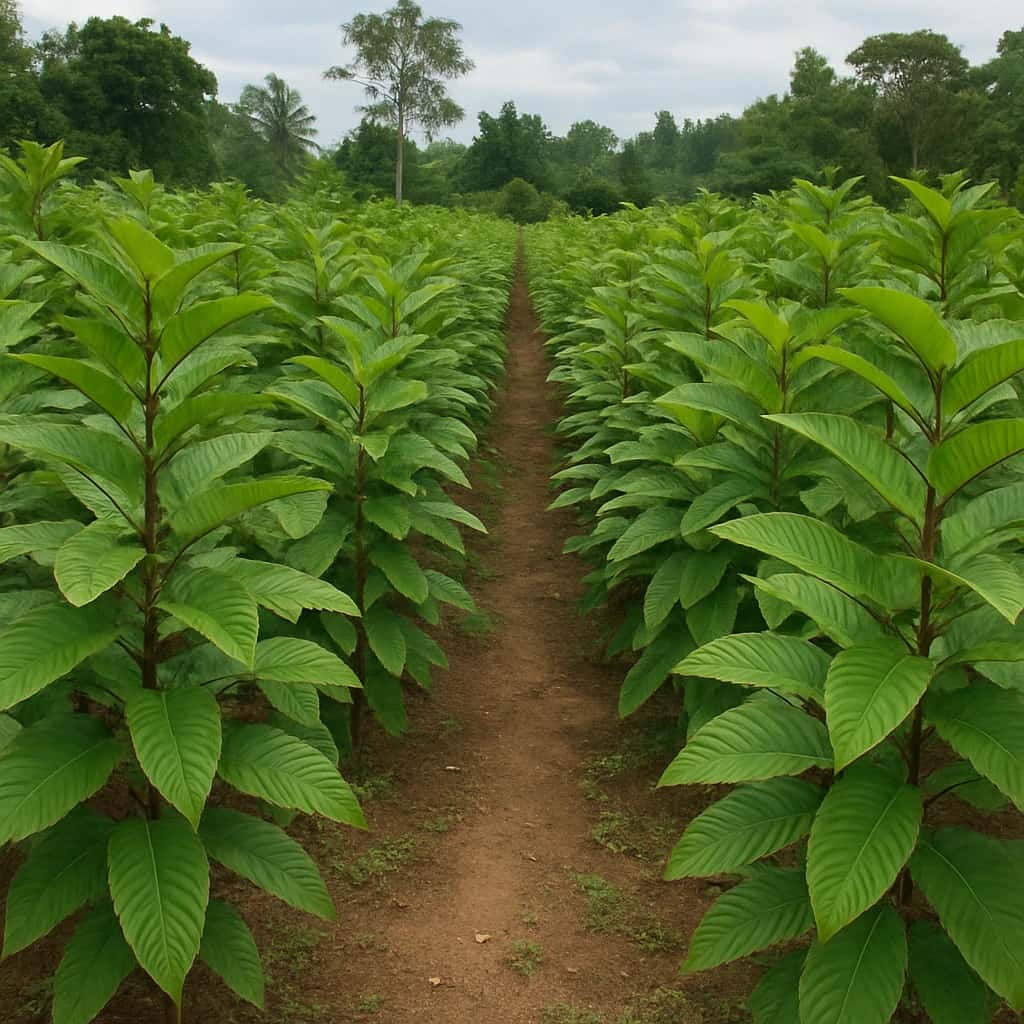
Kratom, botanically known as Mitragyna speciosa, is a tropical tree found primarily in Southeast Asia. The leaves of this tree have been used in traditional practices for centuries. People seek it out for its unique alkaloid composition, which has various effects.
The potency of kratom is influenced by several factors, including where it is grown. The climate and soil of each region contribute significantly to the chemical profile of the leaves. This results in a diverse range of effects and potencies that influence consumer choice.
Why origin matters
- Climatic conditions: The tropical climate is essential for the development of alkaloids.
- Soil composition: Nutrient-rich soils increase the potency of kratom.
- Harvesting techniques: Local practices influence quality.
- Cultural practices: Traditional knowledge influences cultivation methods.
Indonesia is a leader in kratom exports due to its established practices. It offers consistent quality and a wide variety of strains. Indonesian kratom is valued on the international market for its potency and reliability.
Thailand, which has a long tradition of kratom use, offers unique varieties known for their diverse effects. Since legalization, Thailand has reestablished itself as a key player in kratom production.
Understanding the origin of kratom helps consumers make informed decisions. It affects the quality of the product and the experience it provides. The balance of alkaloids, which is often determined by origin, can define whether kratom is stimulating or relaxing.
As popularity grows, so does the need for transparency in kratom sourcing. Knowing the country of origin of a product provides insight into its expected effects. It allows consumers to choose products that match their preferences and needs.
The history and present of kratom cultivation in Indonesia and Thailand
Kratom has a long history in Indonesia, where it has been cultivated for generations. The country is a world leader in kratom production. It has optimal conditions for cultivation thanks to its tropical climate and rich soils.
Indonesian farms often practice traditional methods that have been perfected over the years. These techniques ensure a stable supply of high-quality kratom to the global market. Kratom exports are a significant source of income for local communities.
In Thailand, on the other hand, the history of kratom has been influenced by legislation. Kratom was long outlawed, which limited its production and export. The situation has only recently changed, opening up new opportunities for Thai farmers.
Following the legalization of kratom in Thailand, many farms have begun to adapt to production and export. Thai kratom is valued for its mild but effective nature. Thailand is thus beginning to compete with Indonesia on the international stage.
Key differences between Indonesia and Thailand:
- Legal conditions: Thailand has recently legalized kratom, while Indonesia has a long history of exporting it.
- Agricultural methods: Indonesia relies on traditional techniques, while Thailand is adapting them to modern requirements.
- Historical use: Kratom has deep roots in traditional medicine in Thailand.
Many Thai farmers are now focusing on improving the quality and diversity of their products. The goal is to compete with the established Indonesian market with unique Thai varieties.
The economic benefits of kratom are crucial for both countries. It provides jobs and supports local communities. With demand continuing to grow, both countries are expected to continue expanding their production capacities. The kratom industry can thus play an important role in their economic development.
Comparison: Indonesian vs. Thai kratom – differences in quality and effects
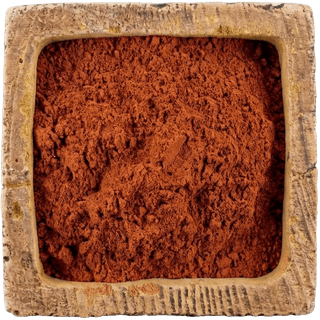
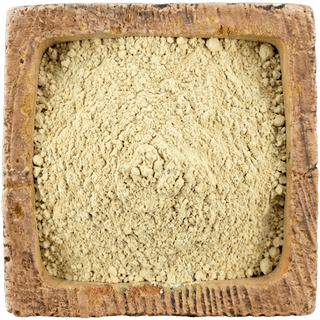
Indonesian kratom is world-renowned for its diversity and availability. It is produced in different varieties that offer a wide range of effects. The dominant Indonesian kratom includes red, green, and white veins, each with specific properties.
Thai kratom, on the other hand, boasts strong and long-lasting effects. Varieties such as Maeng Da are popular among users for their effectiveness. Thai production is smaller but focuses on a specific high-quality target group.