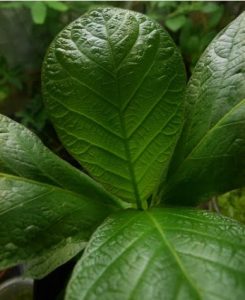
Mitragyna Speciosa, aka kratom
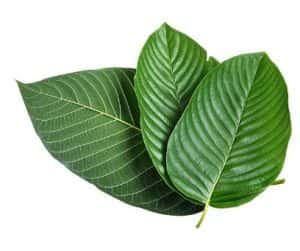
Where else to start than with the most famous of the three trees mentioned in the title of this article? Mitragyna Speciosa, known as kratom, is a tropical evergreen tree that grows up to 30 meters tall. It is native to the rainforests of Southeast Asia, particularly Thailand, Malaysia, and Indonesia. However, the most valuable part of the tree is its leaves, which contain a number of alkaloids with specific effects on humans. These are mainly mitragynine and 7-hydroxymitragynine. These substances are responsible for its specific effects.
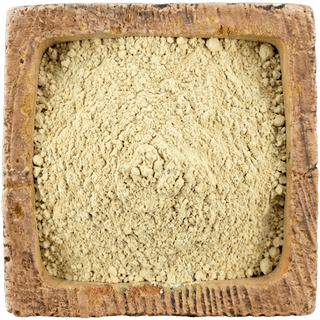
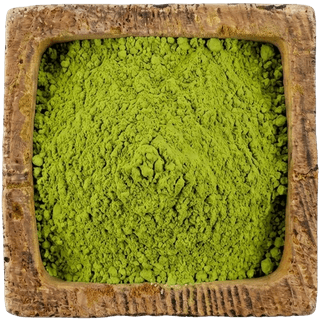
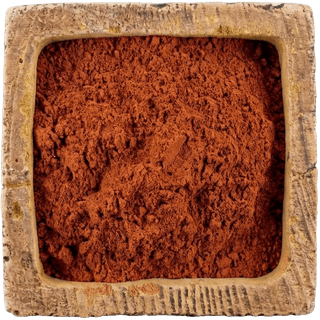
Kratom is most commonly used in the form of powder from dried leaves, which can be added to drinks, incorporated into food, or taken on its own. Just like the indigenous people centuries before us, people today value its stimulating and relaxing effects, which are used, for example, as an alternative to opioids in the treatment of chronic pain.
In the Czech Republic, possession and use of kratom is currently legal, but its sale and distribution are subject to certain restrictions. These mainly concern the minimum age of the customer and the labeling of products containing kratom.
As with any other active substance, kratom has potentially positive effects, but also possible side effects. These may include increased blood pressure, dizziness, dry mouth, nausea, etc. With weaker alternatives such as Mitragyna Javanica and Mitragyna Hersuta, the risk of these unwanted side effects is lower, which is one of the reasons why they are becoming increasingly popular.
Mitragyna Javanica
As with other plants and trees discussed in this text, Mitragyna Javanica (also known as Kra Thum Na) is native to Southeast Asia. As its name suggests, it is primarily found in the Indonesian islands of Java, Sumatra, and Borneo. However, it can also be found elsewhere. The tree grows up to 30 meters tall and is characterized by smooth, gray bark.
Mitragyna Javanica belongs to the same group of trees as kratom, Mitragyna Speciosa. Kra Thum Na has shiny, oval leaves with a smooth surface and gently wavy edges. It then blooms with small spherical flowers that are yellowish-green in color. Like kratom, this tree has been and continues to be used in Asian folk medicine.
Mitragyna Javanica leaves contain alkaloids that have mild stimulating and relaxing effects. Traditionally, Kra Thum Na leaves are dried and prepared as tea or chewed to boost energy and relieve stress and fatigue. Compared to kratom, however, Javanica is much milder. This makes it popular with people who are looking for a natural remedy to boost their energy or calm themselves down without wanting the effects to be too strong.
The alkaloid content of Javanica consists mainly of mitrajavynin, isomitrajavynin, and mitrajavin. Unlike kratom, it does not contain mitragynin and 7-hydroxymitragynin, which means that the effects of Javanica are slightly weaker. Mitragynia Javanica is not subject to any regulations and is completely legal in the Czech Republic.